




Can small incense charcoal be used for making scented candles?
 Oct 14, 2025|
Can small incense charcoal be used for making scented candles? This is a question that often comes up among candle - making enthusiasts and those in the incense and candle industry. As a supplier of small incense charcoal, I'm eager to explore this topic in depth.
Understanding Small Incense Charcoal
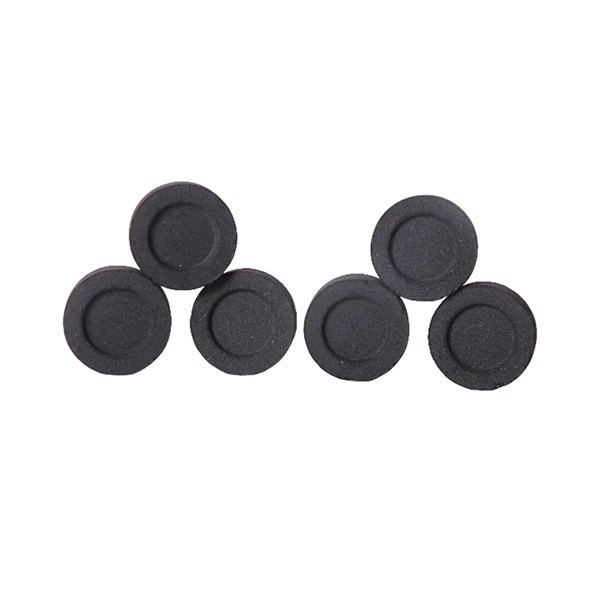
Small incense charcoal is mainly used for burning incense. It comes in various forms, such as tablets and special shapes designed for efficient burning. For example, Charcoal for Burning Incense is a common type of small incense charcoal that provides a stable heat source for releasing the fragrance of incense. Another popular product is the Air Flow Instant Lite Fantancy V Shape Hookah Shisha Charcoal, which is known for its quick - lighting feature and even heat distribution.
These small incense charcoals are typically made from natural materials like bamboo, coconut shells, or wood. They are processed to have a high carbon content, which ensures a long - lasting and clean burn. The production process involves carbonization at high temperatures, followed by shaping and sometimes adding binders to hold the charcoal together.
The Basics of Scented Candle Making
Scented candles are a popular home fragrance product. The basic components of a scented candle include wax, a wick, and fragrance oils. The wax serves as the fuel, the wick provides a pathway for the wax to be drawn up and burned, and the fragrance oil adds the pleasant scent.
There are different types of wax used in candle making, such as paraffin wax, soy wax, and beeswax. Paraffin wax is a petroleum - based wax that is inexpensive and has a good scent - holding capacity. Soy wax is a natural alternative made from soybeans, which is biodegradable and burns cleanly. Beeswax is another natural option, known for its natural honey - like scent and long - burning properties.
The process of making scented candles involves melting the wax, adding the fragrance oil at the appropriate temperature, and then pouring the mixture into a container with a pre - placed wick. The wax then cools and solidifies, creating a scented candle.

Feasibility of Using Small Incense Charcoal in Scented Candle Making
Chemical Compatibility
One of the first considerations when thinking about using small incense charcoal in scented candle making is chemical compatibility. The materials in small incense charcoal are different from those in candle wax. As mentioned earlier, incense charcoal mainly consists of carbon and some binders, while candle wax is a hydrocarbon - based or natural - based material.
The binders used in incense charcoal may not be compatible with the wax. When heated, these binders could potentially react with the wax or the fragrance oil, leading to changes in the chemical composition of the candle. For example, some binders might cause the wax to become brittle or affect the scent throw of the candle.
Heat Generation and Distribution
Small incense charcoal is designed to burn at a relatively high temperature to release the fragrance of incense. In contrast, scented candles burn at a much lower temperature. If small incense charcoal is used in a scented candle, it could generate too much heat. This excessive heat might cause the wax to melt too quickly, leading to a shorter - lasting candle.
Moreover, the heat distribution of incense charcoal is different from that of a candle wick. Incense charcoal burns in a more concentrated area, while a candle wick is designed to create a more even heat distribution across the surface of the wax. This difference in heat distribution could result in uneven melting of the wax and an inconsistent burn pattern.
Scent Release
The way small incense charcoal releases scent is different from how a scented candle does. Incense charcoal burns the incense directly, releasing the fragrance through combustion. In a scented candle, the fragrance oil is vaporized as the wax melts and burns.
If small incense charcoal is used in a scented candle, it might not release the fragrance oil in the same way. The high - temperature burn of the charcoal could cause the fragrance oil to break down or evaporate too quickly, resulting in a weaker or less pleasant scent.
Potential Advantages of Using Small Incense Charcoal in Scented Candle Making
Long - Burning Potential
One potential advantage is the long - burning nature of small incense charcoal. If the issues of heat generation and distribution can be addressed, the high carbon content of the charcoal could potentially make the candle burn for a longer time. This could be an attractive feature for consumers who are looking for long - lasting candles.
Unique Scent Profiles
Some types of small incense charcoal have their own natural scents, such as the earthy smell of bamboo - based charcoal. By incorporating small amounts of incense charcoal into a scented candle, it might be possible to create unique scent profiles that combine the natural scent of the charcoal with the fragrance oil. This could offer a new and interesting product for the market.
Challenges and Solutions
Heat Management
To address the issue of excessive heat generation, one possible solution is to use small amounts of finely crushed incense charcoal and mix it with the wax. This way, the heat generated by the charcoal is more dispersed. Another option is to use a barrier between the charcoal and the wax, such as a thin layer of a heat - resistant material, to prevent the direct transfer of excessive heat to the wax.
Scent Integration
To ensure proper scent integration, it might be necessary to adjust the type and amount of fragrance oil used. Since the charcoal might affect the scent release, more fragrance oil or a different type of fragrance oil with better heat - resistance could be used. Additionally, pre - testing different combinations of charcoal, wax, and fragrance oil is essential to find the optimal formula.
Market Considerations
From a market perspective, the idea of using small incense charcoal in scented candle making could be a niche product. Consumers who are interested in natural and unique home fragrance products might be attracted to such a candle. However, there are also challenges in marketing this product.
Consumers are used to traditional scented candles, and they might be skeptical about the use of incense charcoal in candles. Therefore, proper marketing and education about the benefits and safety of these candles would be necessary.
Conclusion
In conclusion, while there are some potential advantages to using small incense charcoal in scented candle making, there are also significant challenges. The chemical compatibility, heat generation, and scent release issues need to be carefully considered and addressed.
As a supplier of small incense charcoal, I believe that with further research and development, it might be possible to create a viable product that combines the benefits of small incense charcoal and scented candles. However, at present, more testing and experimentation are required to ensure the quality and safety of such candles.
If you are interested in exploring the possibility of using our small incense charcoal in your scented candle production or have any other questions related to our products, we welcome you to reach out to us for procurement and further discussion. We are committed to providing high - quality small incense charcoal and are eager to work with you to develop innovative products.
References
- "The Art of Candle Making" by Lisa Vollrath.
- "Incense: History, Culture, and Craft" by John P. Hughes.
- Industry reports on small incense charcoal production and scented candle making.