




What are the temperature and humidity effects on charcoal incense in an attic?
 Jun 03, 2025|
As a supplier of charcoal incense, I've witnessed firsthand the crucial role that environmental factors play in the quality and performance of our products. One area that often goes overlooked is the storage conditions, particularly in attics. Attics can experience significant fluctuations in temperature and humidity, which can have a profound impact on charcoal incense. In this blog post, I'll explore the effects of temperature and humidity on charcoal incense stored in an attic and provide some tips on how to mitigate these effects.
Temperature Effects on Charcoal Incense
Temperature is a critical factor that can influence the quality and burning characteristics of charcoal incense. When charcoal incense is exposed to high temperatures, several things can happen:
1. Drying Out
High temperatures can cause the moisture content in charcoal incense to evaporate, leading to a dry and brittle product. This can make the incense more prone to breakage during handling and storage. Additionally, dry incense may burn too quickly or unevenly, resulting in a less satisfying aroma experience.
2. Chemical Changes
Extreme heat can also trigger chemical changes in the charcoal and fragrance components of the incense. These changes can alter the scent profile of the incense, making it less appealing or even unpleasant. In some cases, high temperatures can cause the fragrance oils to degrade, resulting in a loss of their original aroma.
3. Increased Flammability
Charcoal incense is inherently flammable, and high temperatures can increase its flammability. When stored in an attic with poor ventilation, the risk of a fire hazard is significantly higher. It's important to ensure that charcoal incense is stored in a cool, dry place away from sources of heat and ignition.
On the other hand, low temperatures can also have a negative impact on charcoal incense:
1. Brittleness
Cold temperatures can make charcoal incense more brittle, increasing the likelihood of breakage. This can be a particular problem if the incense is stored in a location where it may be jostled or bumped.
2. Condensation
When the temperature drops, moisture in the air can condense on the surface of the incense. This can lead to mold growth and other forms of deterioration, which can compromise the quality and safety of the product.
Humidity Effects on Charcoal Incense
Humidity is another important factor that can affect the quality and performance of charcoal incense. High humidity levels can cause the following issues:

1. Moisture Absorption
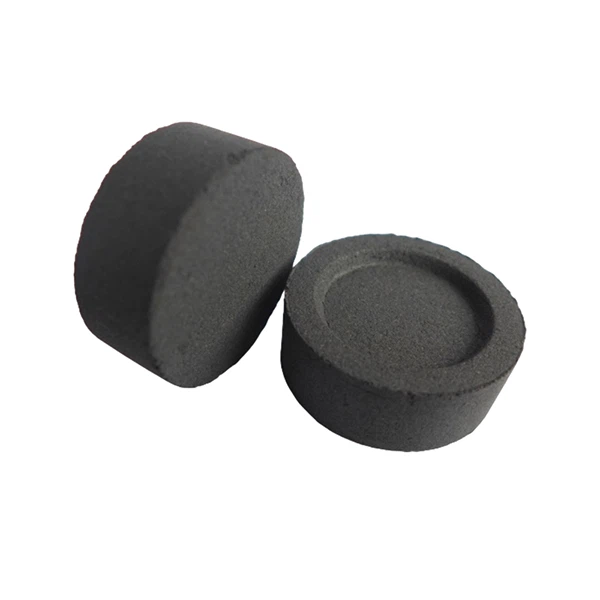
Charcoal incense has a porous structure that allows it to absorb moisture from the air. When exposed to high humidity, the incense can absorb excess moisture, making it soft and sticky. This can make it difficult to light and burn evenly, and it may also cause the incense to emit a musty odor.
2. Mold Growth
Moisture is a breeding ground for mold and other microorganisms. When charcoal incense is stored in a humid environment, there is a higher risk of mold growth on the surface of the incense. Mold can not only affect the appearance and aroma of the incense but also pose a health risk to users.
3. Chemical Reactions
High humidity can also trigger chemical reactions between the charcoal and fragrance components of the incense. These reactions can alter the scent profile of the incense and reduce its shelf life.
Low humidity levels can also have a negative impact on charcoal incense:
1. Drying Out
Just like high temperatures, low humidity can cause the moisture content in charcoal incense to evaporate, leading to a dry and brittle product. This can make the incense more prone to breakage and can also affect its burning characteristics.
2. Static Electricity
Dry air can generate static electricity, which can cause the incense to stick together or attract dust and other particles. This can make it difficult to handle and can also affect the appearance of the product.
Mitigating the Effects of Temperature and Humidity
To ensure the quality and performance of charcoal incense stored in an attic, it's important to take steps to mitigate the effects of temperature and humidity. Here are some tips:
1. Choose the Right Storage Container
Use airtight containers to store charcoal incense in the attic. This will help to prevent moisture from entering the container and keep the incense dry. Glass jars or plastic containers with tight-fitting lids are good options.
2. Control the Temperature
Keep the attic as cool as possible by installing proper insulation and ventilation. If necessary, use a dehumidifier or air conditioner to regulate the temperature and humidity levels. Avoid storing charcoal incense near sources of heat, such as light bulbs or heating vents.
3. Monitor the Humidity
Use a hygrometer to monitor the humidity levels in the attic. Ideally, the humidity should be kept between 40% and 60%. If the humidity levels are too high, use a dehumidifier to remove excess moisture from the air.
4. Rotate the Stock
To ensure that the charcoal incense is used before it deteriorates, rotate the stock regularly. Use the oldest incense first and replace it with fresh stock. This will help to maintain the quality and freshness of the product.
5. Inspect the Incense Regularly
Periodically inspect the charcoal incense for signs of damage, mold growth, or other forms of deterioration. If you notice any issues, discard the affected incense immediately to prevent the spread of mold or other contaminants.
Conclusion
Temperature and humidity can have a significant impact on the quality and performance of charcoal incense stored in an attic. By understanding the effects of these environmental factors and taking steps to mitigate them, you can ensure that your charcoal incense remains in good condition and provides a satisfying aroma experience for your customers.
If you're interested in purchasing high-quality charcoal incense, we offer a wide range of products, including activated charcoal incense, Coal for Incense, and Apple Tree Charcoal. Our products are made from premium materials and are carefully crafted to provide a long-lasting and fragrant burn. Contact us today to learn more about our products and to discuss your specific needs.
References
- ASTM International. (20XX). Standard test methods for determining the physical and chemical properties of charcoal.
- International Fragrance Association. (20XX). Code of practice for the manufacture, storage, and handling of fragrance materials.
- National Fire Protection Association. (20XX). NFPA 1: Fire code.