





Hexagon Coconut Charcoal
Hexagon Coconut Charcoal is a unique and highly beneficial substance derived from the shells of coconuts. The carbon-rich coconut shells are transformed into an ultra-fine black powder with potent adsorption properties through a process involving high temperatures and steam.

- Product Introduction
Company Profile
Puyang Hongyuan New Energy Technology Co., Ltd. is a production-oriented enterprise mainly engaged in the development of hookah charcoal, incense charcoal, barbecue charcoal, and new energy. As the industry leader, we have formulated strict product quality standards and precisely controlled every aspect of production in the company. We are committed to producing high-quality, stable, and more refined charcoal products.
Why Choose Us
Our Factory
Puyang Hongyuan is located in Puyang City, Henan Province, the origin of the first dragon in China, with a total area of 43,000 square meters, a total construction area of 21,000 square meters, and an annual output of more than 10,000 tons.
Advanced Equipment
We have introduced advanced equipment and facilities, implemented multi-dimensional quality control in all aspects of production, and carried out quality inspection and testing by grading and classification, and implemented the production policy of quality first and perfect details.
Our Certificate
ISO/CE certificate
Rich Experience
We build a strict quality management system, from ingredient selection to after-sales quality feedback. Repeat order proves the quality of our products.
We have strict production plan, perfect connection between packing and delivery, try our best to make sure the product reaches you as quickly as possible.
Related products

Our charcoal burns extremely hot, with over 7800 cal/g of cooking power, is clean, smoke-free, Pure White Ashes and ZERO SPARKS. Our pieces is amazing quality and perfect for BBQ, Restaurants, Grills and Retail Stores.

Material: Apple tree
Size: D33mm
Application: Hookah, Incense
Shape: Tablets
Type: Black
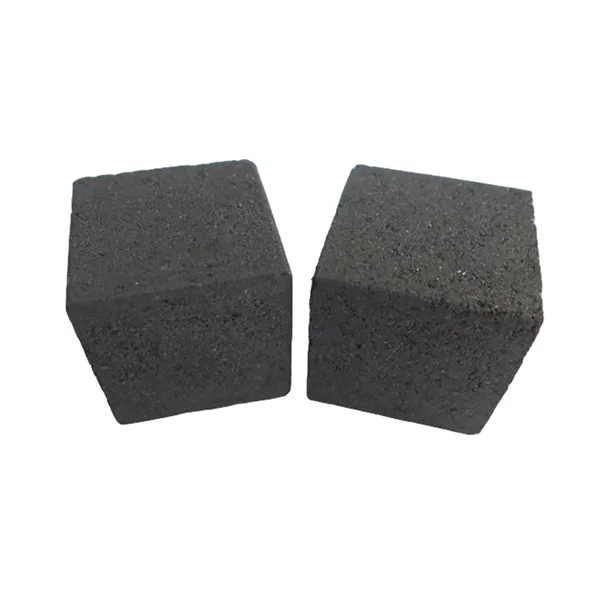
Charcoal for Bbq Instant Light
Place of Origin: China, Puyang city Henan province
Brand Name: COCORIKI
Material: COCONUT SHELL
Application: BBQ, Hookah, Incense

Best Charcoal Briquettes for Grilling
Do you want to enjoy a great grilling experience with best charcoal briquettes that have no unwanted smell and leave behind no ash? Then look no further than the best quality charcoal briquettes from the biggest factory in China.

Best Charcoal Briquettes for Bbq
Best selling smokeless bbq charcoal briquette for barbecue Ensure 100% pure natural, never add any coal powder or low quality additive. 4-5 hours burning time.

Item: Charcoal briquettes on bbq
Ash Content: Less than 3.8%
Raw Material: Fruit wood, coconut shell
Size: 40*100/200/400mm
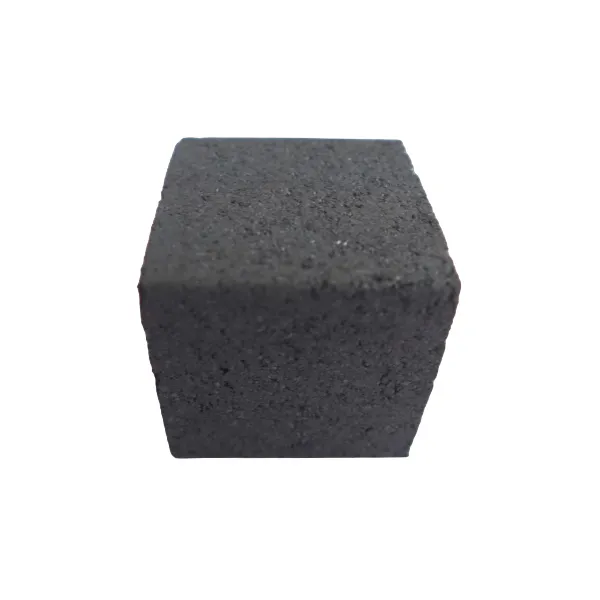
The Charcoals made from Coocnut Shell are the ones with highest calorific value and also have very low ash content.
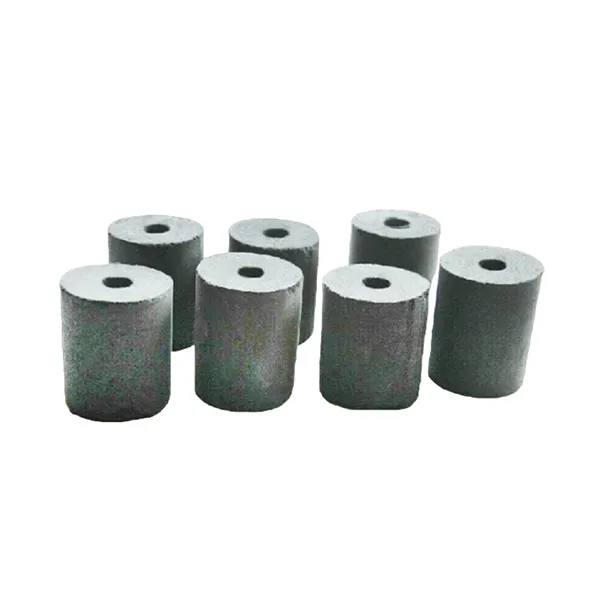
We are suppliers of BEST QUALITY Charcoal And Looking for serious buyers in need of our products, contact with us for more details.

Pure charcoal briquettes is charcoal made from coconut shell carbon, Water and natural starch binder which we offer in varying shapes and sizes. Our product is mainly used for BBQ and Shisha/ Hookah.
What is Hexagon Coconut Charcoal?
Hexagon Coconut Charcoal is a unique and highly beneficial substance derived from the shells of coconuts. The carbon-rich coconut shells are transformed into an ultra-fine black powder with potent adsorption properties through a process involving high temperatures and steam.
One of the cleanest and most favored sources of obtaining activated charcoal is from coconut shells. While other materials like wood, coal, or other carbon-based sources are also suitable charcoal sources, coconut shell charcoal quality is far superior to others. Coconut charcoal is food grade quality excellent, meaning it can be ingested orally or used in filtering devices. It also has medical uses in devices for filtering blood like dialysis units.
Benefits of Hexagon Coconut Charcoal
Hexagonal Shape: The hexagonal shape of these charcoal briquettes provides several advantages. The edges and corners of the hexagons allow for improved airflow, resulting in better combustion and heat distribution. This shape also provides a stable and flat surface, making it easier to stack and arrange the briquettes during grilling or other applications.
Long Burning Time: Coconut shell charcoal hexagons are known for their long burning time. The carbonization process used to produce them, along with their compact shape, ensures slow and consistent burning. This makes them suitable for extended cooking sessions or when a prolonged heat source is required.
High Heat Output: Coconut shell charcoal hexagons produce high heat levels when burned, providing a strong and steady source of heat. This allows for efficient grilling, searing, or other cooking methods that require intense heat.
Low Smoke and Odor: Coconut shell charcoal hexagons typically have a low smoke production and minimal odor when compared to some other types of charcoal. This makes them more desirable for cooking applications, as they can minimize the impact on the flavor of the food being cooked.
Eco-Friendly: Just like other coconut shell charcoal products, coconut shell charcoal hexagons are considered environmentally friendly. They are made from a renewable resource-coconut shells-utilizing a byproduct of the coconut industry. By using coconut shells for charcoal production, waste is reduced, and sustainable practices are encouraged.
Types of Hexagon Coconut Charcoal
Wood charcoal is charcoal made from wood base material. Wood charcoal are most widely used for cooking and industrial purposes. Charcoal from wood has many advantages compared to charcoal from other materials, wood charcoal has an advantage among others that the heat of combustion can last longer, capable of providing distinctive aroma to your food if it is grilled with charcoal, and for industry, charcoal serves to move the machines that use steam.
Sometimes called charwood or natural lump charcoal, this is the original charcoal, made by burning trees or logs in a kiln, sealed cave, or even underground. Unlike briquettes, lump charcoal is pure wood-free of binders or petroleum-based accelerants. Lump charcoal burns hot, cleanly, and pure. You can refuel a lump charcoal fire with unlit charcoal without producing the acrid smoke associated with freshly lit briquettes. However, natural lump charcoal burns unevenly, hotter at the beginning, cooler at the end, and it burns out more quickly than charcoal briquettes. When you grill with lump charcoal you'll need to refuel the grill more often than with briquettes, usually after 30 to 40 minutes.
White Charcoal is a unique types of charcoal. Made from selected hardwood and produce in a more complex way than regular wood charcoal or coconut charcoal, makes white charcoal strong, have white color, and also contain no dust at all. White charcoal also known as Binchotan or Binchotan Charcoal, was popularized in Japanese and well known as the highest quality charcoal ever made.
Traditional briquettes contain wood scraps, sawdust, coal dust, borax, and petroleum binders, so it's not surprising that they emit an acrid-tasting smoke when first lit. Instant-light charcoal consists of briquettes saturated with lighter fluid. The acrid smoke disappears once the charcoal glows orange and begins to ash over, but you're still grilling over borax, coal dust, and petroleum binders. And, although the petroleum-based accelerants of instant-light charcoal burn off in theory, they can produce an oily taste when less than completely lit. "Natural" briquettes, which contain only wood scraps and starch binders, are meant to eliminate these problems. By the way, the contestants at barbecue competitions like those at Memphis in May and Kansas City's American Royal use briquettes and win big.
You can make charcoal from a variety of materials, but bamboo is one of the most sustainable because it proliferates in certain areas. Since bamboo grows more quickly and takes up less surface area than wood, charcoal manufacturers can use it to produce high volumes of products.
Furthermore, burning charcoal produces carbon, but since bamboo sequesters carbon, the end result is that bamboo charcoal produces net neutral emissions. Wood also captures carbon from the atmosphere, but bamboo performs this job more efficiently, making it greener overall.
Uses of Hexagon Coconut Charcoal
In the Food Industry
Due to its fast burning and food-grade properties, Hexagon Coconut Charcoal is widely used in barbecues as an alternative to regular charcoal. The food industry is favoring it due to the pleasant fragrance it emits when preparing traditional foods and barbecues. You can buy activated charcoal made from coconut shells to cook some great meals at home, too.
As Teeth Whitener
Charcoal has long been used as a remedy for teeth and oral health. Just like charcoal soap, coconut activated charcoal acts as a natural teeth whitener and with amazing results. Those with dark or yellow teeth can use it to brush regularly and get amazing results.
As Animal Feed
Hexagon Coconut Charcoal is also used as feed for cattle, pigs, and poultry. Some studies have shown that animals fed with Hexagon Coconut Charcoal give more milk. Similarly, for pigs and poultry, it is a suitable feed to increase weight and reduce the chances of any disease occurring; this way, it leads to greater meat production.
Now that you've prepared the coconut shells, it's time to start making charcoal.
Wait for the shells to carbonize: The charcoal-making process will take several hours, depending on the size of the container and the amount of coconut shells you're using. You'll know the charcoal is ready when there is no smoke or flame coming from the container and the shells have turned black.
Cool and remove the charcoal: Once the shells have carbonized, turn off the heat source and allow the container to cool for several hours. Then, remove the charcoal from the container and store it in a cool, dry place.
Create a fire
Place the metal container on top of the heat source and start a fire. You can use wood, charcoal, or other combustible materials to create the fire.
Add the coconut shells
Once the fire is going, add the coconut shells to the container. Make sure the shells are packed tightly and cover the container with the lid.
Monitor the temperature
Use a thermometer to monitor the temperature inside the container. You'll want to maintain a temperature of around 400-500 degrees Celsius to create good-quality charcoal. Adjust the heat source as needed to maintain the temperature.
Hexagon Coconut Charcoal and activated charcoal are two types of charcoal. They both absorb toxins and purify the body by removing impurities. However, there are some differences between Hexagon Coconut Charcoal and activated charcoal:
Hexagon Coconut Charcoal is made from coconut shells, while activated charcoal is made from wood. However, activated Hexagon Coconut Charcoal is made from coconut.
Hexagon Coconut Charcoal is made by burning coconut shells in a high-temperature fire. The resulting ashes are then ground into a fine powder. Then it is mixed with water. This paste is then heated to create Hexagon Coconut Charcoal. Its main function is as an insecticide, as it kills insects on contact (though it doesn't work on termites).
On the other hand, activated charcoal is made by heating wood with a chemical process that makes it super-absorbent. This means that it can help you absorb the toxins in your system, which is especially helpful if you're trying to treat poisoning or poisoning symptoms. It's also important because it acts as an antibacterial agent, which can help prevent infections and other illnesses.
Hexagon Coconut Charcoal can be used to make soap and other personal care products, whereas activated charcoal can only be used in industrial applications such as water filtration systems or gas mask filters.
Hexagon Coconut Charcoal has a lower ash content than activated charcoal, which makes it easier to use for making facial masks and scrubs because it does not leave any residue behind after use, as does activated charcoal (which leaves a greyish-white residue).
Reuse Coconut Charcoal Briquette Factors to Consider
While reusing Hexagon Coconut Charcoal offers economic and environmental benefits, it's important to consider a few factors:
Quality: Prioritize quality over quantity. If the briquettes show signs of deterioration or damage, it's best to replace them with fresh ones to ensure optimal grilling performance.
Grilling Needs: Consider the type of grilling you're planning to do. For shorter, high-heat grilling sessions, fresh briquettes might be more suitable. Reused briquettes can be ideal for longer, slow-cooking sessions.
Personal Preference: Experiment and gauge your preference. Some grillers find that reused briquettes add a unique flavor to their dishes, while others prefer the consistency of fresh briquettes.
Reusing Hexagon Coconut Charcoal is an effective way to reduce waste and save costs while enjoying the benefits of eco-friendly grilling. By assessing their condition, removing ash, storing them properly, and combining them with fresh briquettes, you can extend their lifespan and maximize their grilling performance.
Our Factory
Puyang Hongyuan New Energy Technology Co., Ltd. is a production-oriented enterprise mainly engaged in the development of hookah charcoal, incense charcoal, barbecue charcoal, and new energy. As the industry leader, we have formulated strict product quality standards and precisely controlled every aspect of production in the company.


FAQ
Hot Tags: hexagon coconut charcoal, China hexagon coconut charcoal manufacturers, suppliers, factory, barbecue charcoal for grilled meat, barbecue charcoal for catering, barbecue charcoal with high calorific value, barbecue charcoal for medium grill, barbecue charcoal supplier, medium size barbecue charcoal


