




Are there any alternatives to charcoal for incense?
 Jun 20, 2025|
 In the world of incense, charcoal has long been a staple for burning aromatic substances. As a supplier of charcoal for incense, I've witnessed firsthand the diverse needs and preferences of incense enthusiasts. However, the question often arises: Are there any alternatives to charcoal for incense? In this blog post, we'll explore this topic in depth, considering various substitutes and their unique characteristics.
Traditional Charcoal for Incense: A Brief Overview
Charcoal has been used for centuries in the art of incense burning. Its ability to provide a consistent, long - lasting heat source makes it ideal for releasing the fragrant oils and compounds in incense materials. Different types of charcoal offer distinct advantages. For example, Arabic Charcoal Incense is known for its slow - burning properties and rich, earthy aroma, which can enhance the overall incense - burning experience. Coconut Shell Charcoal is another popular option, valued for its environmental friendliness and clean burn. Church Incense Charcoal is specifically formulated to meet the requirements of religious ceremonies, with a focus on purity and reliability.
Alternatives to Charcoal
Electric Incense Burners
One of the most significant alternatives to charcoal is the electric incense burner. These devices use electricity to generate heat, eliminating the need for charcoal altogether. Electric incense burners offer several advantages. Firstly, they are much safer than charcoal burners, as there is no open flame, reducing the risk of fire. Secondly, they are more convenient, especially for those who want to enjoy incense in a hurry or in areas where open flames are prohibited. Electric burners can also provide more precise temperature control, allowing users to optimize the release of fragrance from their incense. However, some purists argue that electric burners lack the traditional charm and natural feel associated with charcoal - based incense burning.
Natural Resin Burners
Natural resin burners are another alternative. Resins such as frankincense and myrrh can be burned directly on a heat source without the need for charcoal. These burners typically use a small dish or holder to contain the resin, which is then heated by a tea light or other low - heat source. Burning resins in this way can create a very different and often more intense fragrance experience compared to using charcoal. Resin burners are also popular in religious and spiritual practices, as these resins have a long history of use in such contexts. However, the availability of high - quality resins can be limited, and they may be more expensive than traditional incense materials.

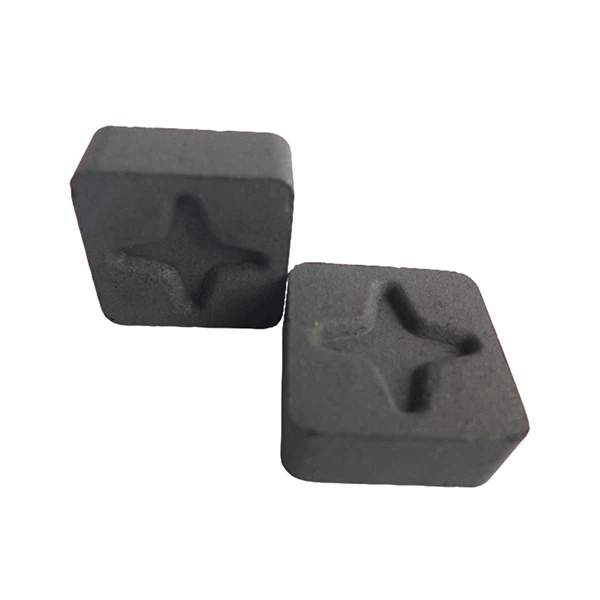
Heat - Resistant Plates
Heat - resistant plates can be used as an alternative to charcoal for some types of incense. These plates are made from materials such as ceramic or metal and are designed to withstand high temperatures. Incense can be placed directly on the plate, which is then heated using a tea light or other heat source. Heat - resistant plates are relatively inexpensive and easy to use. They also allow for a more direct interaction between the incense and the heat source, which can result in a more immediate release of fragrance. However, they may not be suitable for all types of incense, and the heat distribution may not be as even as with charcoal.
Comparing the Alternatives
Cost
When it comes to cost, charcoal is generally the most affordable option. It is widely available in various qualities and quantities, making it accessible to a large number of consumers. Electric incense burners, on the other hand, can be more expensive upfront, as they require the purchase of the device itself. However, in the long run, the cost of electricity is relatively low compared to continuously buying charcoal. Natural resin burners can be costly, especially if high - quality resins are used. Heat - resistant plates are usually inexpensive, but the cost of the heat source (such as tea lights) needs to be considered.
Environmental Impact
From an environmental perspective, charcoal can have a significant impact, especially if it is sourced from unsustainable forests. Coconut Shell Charcoal is a more sustainable option, as it is made from a renewable resource. Electric incense burners have a relatively low environmental impact, as long as the electricity is sourced from renewable energy. Natural resin burners can also be environmentally friendly if the resins are sustainably harvested. Heat - resistant plates have a minimal environmental impact, as they are reusable and do not require the production of new charcoal.
Fragrance Quality
The quality of fragrance can vary depending on the method of burning. Charcoal is known for providing a stable and consistent heat source, which can help to release the fragrance of incense evenly. Electric burners can also offer good fragrance quality, especially if they have precise temperature control. Natural resin burners can create a very intense and unique fragrance, as the resins have their own distinct aromas. Heat - resistant plates can provide a more direct and immediate fragrance, but the quality may depend on the type of incense and the heat distribution.
Conclusion
As a supplier of charcoal for incense, I understand that charcoal will always have its place in the world of incense burning. Its long - standing tradition, reliable performance, and unique charm make it a favorite among many. However, the alternatives to charcoal also offer their own advantages, whether it's the safety and convenience of electric burners, the intense fragrance of natural resin burners, or the affordability and simplicity of heat - resistant plates.
Ultimately, the choice between charcoal and its alternatives depends on personal preference, budget, and the specific requirements of the incense - burning experience. If you are looking for a traditional and reliable option, our range of Arabic Charcoal Incense, Coconut Shell Charcoal, and Church Incense Charcoal may be the perfect fit for you. But if you are open to trying something new, exploring the alternatives could lead to a whole new world of incense enjoyment.
If you are interested in purchasing charcoal for incense or have any questions about our products, please feel free to contact us for a detailed discussion on procurement. We are always ready to provide you with the best quality products and services to meet your needs.
References
- "The Art of Incense Burning" by John Smith
- "Environmental Impact of Incense Materials" by Jane Doe
- "Alternative Incense Burning Methods" by Robert Johnson