




Can burning incense carbon be used in a sauna?
 Jan 22, 2026|
 Can Burning Incense Carbon be Used in a Sauna?
As a supplier of burning incense carbon, I often encounter various inquiries from customers about the diverse applications of our products. One question that has piqued my interest recently is whether burning incense carbon can be used in a sauna. In this blog post, I will delve into this topic, exploring the science behind it, potential benefits, and possible drawbacks.
Understanding Burning Incense Carbon
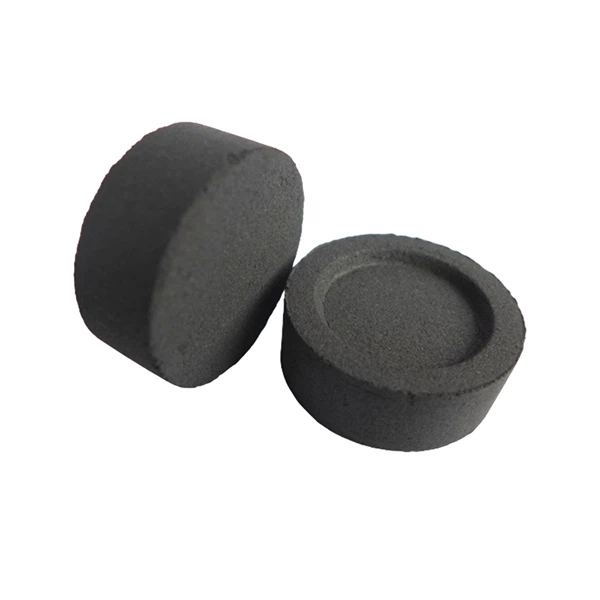
Before we discuss its use in a sauna, let's first understand what burning incense carbon is. Burning incense carbon is a type of charcoal specifically designed for burning incense. It is typically made from high - quality wood or coconut shells, which are carbonized at high temperatures. The resulting charcoal has a high carbon content, burns steadily, and can generate enough heat to ignite and sustain the burning of incense.
There are different types of burning incense carbon available in the market. For instance, Activated Charcoal Incense is known for its porous structure, which allows for better air circulation and more efficient burning. Coconut Charcoal for Incense is another popular option, as it is made from renewable coconut shells and produces a clean burn with minimal ash.
The Science of Saunas
Saunas are small rooms or buildings designed to expose the body to high temperatures, typically ranging from 70 - 100 degrees Celsius (158 - 212 degrees Fahrenheit). The heat in a sauna causes the body to sweat, which is believed to have several health benefits, such as detoxification, relaxation, and improved blood circulation.
The heat source in a traditional sauna is usually a stove that burns wood or uses electricity to heat rocks. When water is poured on the hot rocks, steam is produced, increasing the humidity in the sauna and enhancing the overall experience.
Potential Benefits of Using Burning Incense Carbon in a Sauna
- Aromatherapy Benefits
Burning incense is often associated with aromatherapy. Different types of incense have different scents, which can have various psychological and physiological effects. For example, lavender incense is known for its calming and relaxing properties, while eucalyptus incense can help clear the sinuses. By using burning incense carbon to burn incense in a sauna, the heat and steam in the sauna can help disperse the scent more effectively, enhancing the aromatherapy experience. - Unique Ambiance
The sight and smell of burning incense can create a unique and soothing ambiance in a sauna. It can transform the sauna into a more serene and spiritual space, making the relaxation experience even more enjoyable. - Possible Air Purification
Some types of activated charcoal incense are believed to have air - purifying properties. Activated charcoal has a large surface area with many tiny pores, which can adsorb harmful substances and odors in the air. In a sauna, where the air can become stuffy, using activated charcoal incense carbon might help improve the air quality.
Possible Drawbacks and Considerations
- Safety Concerns
One of the main concerns when using burning incense carbon in a sauna is safety. Saunas are already high - temperature environments, and adding an open flame from burning incense carbon can increase the risk of fire. It is crucial to ensure that the burning incense carbon is placed in a safe and stable container, away from any flammable materials. - Air Quality
While some types of incense may have air - purifying properties, others can produce smoke and particulate matter when burned. In a closed - in sauna environment, the concentration of these pollutants can quickly increase, which may be harmful to health, especially for people with respiratory problems. It is important to choose high - quality incense that produces minimal smoke and to ensure proper ventilation in the sauna. - Compatibility with Sauna Materials
The heat and chemicals released by burning incense carbon may not be compatible with all sauna materials. For example, the acidic components in the smoke may damage the wood or other interior materials of the sauna over time. It is advisable to test a small area first to see if there are any adverse effects.
Conclusion
In conclusion, using burning incense carbon in a sauna is a concept that has both potential benefits and drawbacks. On one hand, it can enhance the aromatherapy experience, create a unique ambiance, and possibly improve air quality. On the other hand, there are safety concerns, potential air pollution issues, and compatibility problems to consider.
If you are interested in trying to use burning incense carbon in your sauna, I recommend starting with small amounts and closely monitoring the situation. Choose high - quality burning incense carbon and incense, and ensure proper safety measures and ventilation.
As a supplier of burning incense carbon, we offer a wide range of products, including Activated Charcoal Incense and Coconut Charcoal for Incense. Our products are made from high - quality materials and undergo strict quality control to ensure a clean and efficient burn.
If you are interested in purchasing our burning incense carbon products for your sauna or other applications, please feel free to contact us for more information and to discuss your purchasing needs. We are committed to providing you with the best products and services.

References
- "The Health Benefits of Saunas." Harvard Health Publishing.
- "Aromatherapy: A Complementary Therapy for Health and Well - being." National Center for Complementary and Integrative Health.
- "Activated Charcoal: Properties and Applications." Journal of Environmental Science and Health.