




Can bamboo sawdust charcoal be used for making activated carbon?
 Jul 14, 2025|
 Bamboo sawdust charcoal, a by - product of the bamboo processing industry, has been gaining increasing attention in various fields. As a supplier of bamboo sawdust charcoal, I often receive inquiries about its potential uses, especially whether it can be used for making activated carbon. In this blog, I will explore this topic in depth, analyzing the feasibility, advantages, and challenges of using bamboo sawdust charcoal for activated carbon production.
The Basics of Bamboo Sawdust Charcoal
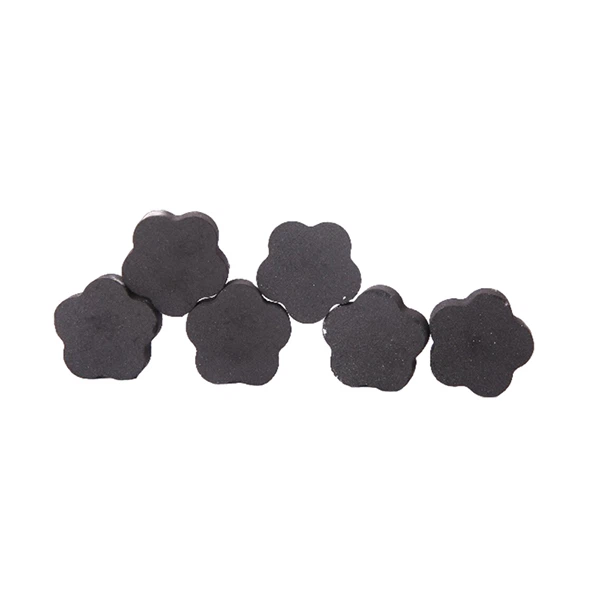
Bamboo sawdust charcoal is produced by carbonizing bamboo sawdust, which is the fine particles generated during bamboo cutting, shaping, and processing. This process involves heating the bamboo sawdust in a low - oxygen environment, causing it to decompose and form charcoal. The resulting bamboo sawdust charcoal has a relatively high carbon content, which makes it a potential candidate for various applications.
One of the key features of bamboo sawdust charcoal is its porous structure. The carbonization process creates numerous small pores within the charcoal, which can provide a large surface area. This property is crucial for many applications, including activated carbon production. Additionally, bamboo is a renewable resource, and using bamboo sawdust charcoal can contribute to sustainable development.
Can Bamboo Sawdust Charcoal be Used for Making Activated Carbon?
The short answer is yes, bamboo sawdust charcoal can be used for making activated carbon. Activated carbon is a form of carbon that has been processed to have a highly porous structure, which gives it a large surface area and excellent adsorption properties. The process of converting bamboo sawdust charcoal into activated carbon typically involves two main steps: physical activation and chemical activation.

Physical Activation
Physical activation is a process where the bamboo sawdust charcoal is heated in the presence of an oxidizing gas, such as steam or carbon dioxide. At high temperatures, the oxidizing gas reacts with the carbon in the charcoal, creating additional pores and increasing the surface area. This process can enhance the adsorption capacity of the charcoal, turning it into activated carbon.
The advantage of physical activation is that it is a relatively clean and environmentally friendly method. It does not involve the use of chemicals, which can reduce the risk of contamination. However, physical activation requires high temperatures and precise control of the process parameters, which can increase the production cost.
Chemical Activation
Chemical activation involves treating the bamboo sawdust charcoal with chemicals, such as phosphoric acid, zinc chloride, or potassium hydroxide. The chemicals react with the carbon in the charcoal, creating pores and increasing the surface area. After the chemical treatment, the charcoal is washed to remove the excess chemicals, and then it is heated to activate the carbon.
Chemical activation can be carried out at lower temperatures compared to physical activation, which can save energy. It can also produce activated carbon with a higher surface area and better adsorption properties. However, the use of chemicals in this process can generate waste and pollution, and proper disposal of the waste is required to ensure environmental safety.
Advantages of Using Bamboo Sawdust Charcoal for Activated Carbon
There are several advantages of using bamboo sawdust charcoal for making activated carbon.
Renewable Resource
As mentioned earlier, bamboo is a renewable resource. It grows rapidly and can be harvested in a relatively short period. Using bamboo sawdust charcoal for activated carbon production can reduce the dependence on non - renewable resources, such as coal and coconut shells. This is in line with the global trend towards sustainable development.
High Carbon Content
Bamboo sawdust charcoal has a relatively high carbon content, which is beneficial for activated carbon production. The high carbon content provides a good foundation for creating a porous structure during the activation process, resulting in activated carbon with excellent adsorption properties.
Cost - Effectiveness
Bamboo sawdust is often a by - product of the bamboo processing industry, which means it is relatively inexpensive. Using bamboo sawdust charcoal can reduce the raw material cost for activated carbon production, making it a cost - effective option, especially for large - scale production.
Challenges and Solutions
While bamboo sawdust charcoal has great potential for activated carbon production, there are also some challenges that need to be addressed.
Impurities
Bamboo sawdust may contain impurities, such as ash, silica, and other inorganic substances. These impurities can affect the quality of the activated carbon and reduce its adsorption capacity. To solve this problem, pre - treatment methods, such as washing and sieving, can be used to remove the impurities before the carbonization and activation processes.
Process Optimization
The activation process of bamboo sawdust charcoal needs to be carefully optimized to achieve the best results. Factors such as temperature, time, and the ratio of chemicals (in the case of chemical activation) need to be precisely controlled. This requires advanced equipment and technical expertise. Collaborating with research institutions or hiring experienced technicians can help in optimizing the production process.
Applications of Activated Carbon Made from Bamboo Sawdust Charcoal
Activated carbon made from bamboo sawdust charcoal has a wide range of applications.
Water Treatment
Activated carbon can be used to remove impurities, such as organic compounds, heavy metals, and chlorine, from water. It is commonly used in water purification systems, both in households and industries. The large surface area and excellent adsorption properties of activated carbon make it an effective adsorbent for water treatment.
Air Purification
In air purification, activated carbon can adsorb harmful gases and odors. It is used in air filters, masks, and ventilation systems to improve indoor air quality. The porous structure of activated carbon allows it to trap pollutants and keep the air clean.
Food and Beverage Industry
Activated carbon is also used in the food and beverage industry for decolorization, deodorization, and purification. It can remove impurities and unwanted flavors from food and beverages, improving their quality and safety.
Other Products Related to Charcoal
Apart from activated carbon, bamboo sawdust charcoal and other types of charcoal have various applications. For example, Charcoal Briquettes On Bbq are popular for barbecuing. They provide a long - lasting and even heat source, making them ideal for outdoor cooking. Hexagon Coconut Charcoal is another type of charcoal that is known for its high heat output and low ash content. Cubic Quick Light Bbq Charcoal is designed for quick ignition, which is convenient for users who want to start their barbecue quickly.
Contact for Procurement
If you are interested in purchasing bamboo sawdust charcoal for activated carbon production or other applications, please feel free to contact us. We are committed to providing high - quality bamboo sawdust charcoal at competitive prices. Our team of experts can also offer technical support and advice to help you make the most of our products. Whether you are a small - scale manufacturer or a large - scale industrial user, we can meet your needs.
References
- "Activated Carbon: Surface Chemistry, Adsorption Kinetics, and Applications" by J. Rivera - Utrilla, P. Sánchez - Pérez, A. Ferro - García, and J. M. Bautista - Toledo.
- "Bamboo: A Renewable Resource for Sustainable Development" by A. K. Bhardwaj and S. S. Thakur.
- "Carbon Materials for Environmental Remediation" by M. Sevilla and A. B. Fuertes.