




Can bamboo sawdust charcoal be used for making charcoal filters?
 Oct 16, 2025|
 In recent years, the demand for effective and sustainable filtration solutions has been on the rise. Among various filter materials, charcoal has long been recognized for its excellent adsorption properties. As a supplier of Bamboo Sawdust Charcoal, I often receive inquiries about the potential use of our product in making charcoal filters. In this blog, I will delve into the feasibility of using bamboo sawdust charcoal for charcoal filters, exploring its properties, advantages, and applications.
Properties of Bamboo Sawdust Charcoal
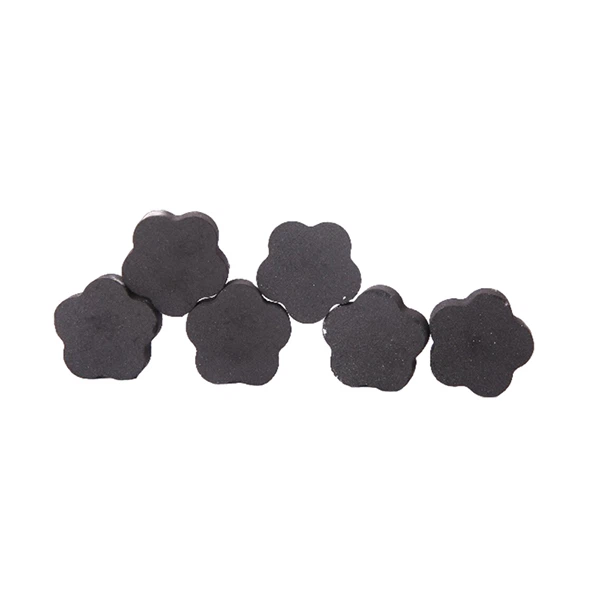
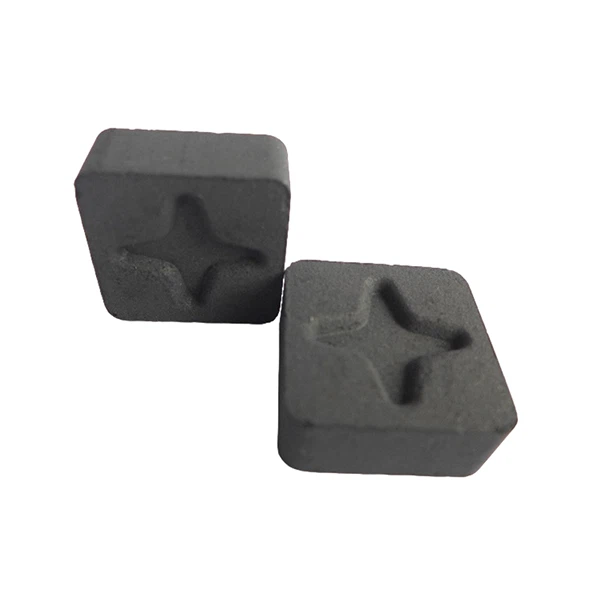
Bamboo sawdust charcoal is produced by carbonizing bamboo sawdust, a by - product of the bamboo processing industry. This process involves heating the sawdust in a low - oxygen environment, which drives off volatile components and leaves behind a highly porous carbon structure.
One of the key properties of bamboo sawdust charcoal is its high surface area. The porous structure provides a large number of adsorption sites, allowing it to effectively trap various substances. For example, the specific surface area of well - produced bamboo sawdust charcoal can range from 300 to 1000 square meters per gram. This high surface area enables it to adsorb a wide variety of contaminants, including organic compounds, heavy metals, and odorous molecules.
Another important property is its chemical stability. Bamboo sawdust charcoal is relatively inert chemically, which means it does not react easily with most substances in the environment. This stability ensures that the charcoal can maintain its adsorption capacity over a long period, making it suitable for long - term filtration applications.
Advantages of Using Bamboo Sawdust Charcoal in Filters
Sustainability
Bamboo is a highly renewable resource. It grows much faster than traditional hardwoods, with some species capable of growing up to one meter per day. By using bamboo sawdust, which is a waste product from bamboo processing, we can reduce waste and make use of a resource that would otherwise be discarded. This makes bamboo sawdust charcoal an environmentally friendly choice for filter production.
Cost - effectiveness
Compared to some other types of charcoal, such as coconut charcoal, bamboo sawdust charcoal can be more cost - effective. The raw material, bamboo sawdust, is readily available and inexpensive. Additionally, the production process of bamboo sawdust charcoal is relatively simple and requires less energy compared to some high - end charcoal production methods. This cost advantage can be passed on to the filter manufacturers, making the final filter products more affordable for consumers.
Adsorption Performance
As mentioned earlier, the high surface area of bamboo sawdust charcoal gives it excellent adsorption performance. In many cases, it can adsorb contaminants as effectively as other types of charcoal. For example, in water filtration, bamboo sawdust charcoal can remove chlorine, pesticides, and other organic pollutants, improving the taste and quality of the water. In air filtration, it can adsorb volatile organic compounds (VOCs) and unpleasant odors, creating a healthier indoor environment.
Applications of Bamboo Sawdust Charcoal Filters
Water Filtration
Bamboo sawdust charcoal filters are widely used in water treatment systems. They can be incorporated into household water filters, such as pitcher filters and faucet - mounted filters, to remove impurities from tap water. In larger - scale applications, bamboo sawdust charcoal can be used in industrial water treatment plants to treat wastewater before it is discharged into the environment. The charcoal adsorbs heavy metals like lead, mercury, and cadmium, as well as organic substances, making the water safer and cleaner.
Air Filtration
In the field of air purification, bamboo sawdust charcoal filters are also gaining popularity. They can be used in air purifiers to remove harmful gases and odors from the air. For example, in indoor spaces with poor ventilation, such as offices and apartments, these filters can adsorb formaldehyde, benzene, and other VOCs released from building materials and furniture. They can also be used in automotive air filters to improve the air quality inside the vehicle.
Food and Beverage Industry
Bamboo sawdust charcoal filters can be used in the food and beverage industry for decolorization, deodorization, and purification. For example, in the production of fruit juices, the charcoal can remove pigments and off - flavors, improving the clarity and taste of the juice. In the brewing industry, it can be used to purify beer and wine, removing unwanted substances and enhancing the quality of the final product.
Comparison with Other Types of Charcoal for Filters
Coconut Charcoal
Coconut charcoal, such as the Hexagon Coconut Charcoal, is also a popular choice for filter production. It has a very high carbon content and a well - developed pore structure, which gives it excellent adsorption performance. However, coconut charcoal is often more expensive than bamboo sawdust charcoal due to the limited supply of coconut shells and the more complex production process. Bamboo sawdust charcoal, on the other hand, offers a more cost - effective alternative without sacrificing too much in terms of adsorption capacity.
Wood Charcoal
Traditional wood charcoal has been used for filtration for a long time. However, the use of wood charcoal raises environmental concerns as it often involves cutting down trees. Bamboo sawdust charcoal is a more sustainable option as it uses a waste product from bamboo processing. In terms of adsorption performance, bamboo sawdust charcoal can be comparable to wood charcoal, especially when it comes to removing common contaminants.
Quality Control and Production Considerations
To ensure the effectiveness of bamboo sawdust charcoal filters, strict quality control measures need to be implemented during the production process. The raw bamboo sawdust should be carefully selected to ensure it is free from impurities and contaminants. The carbonization process also needs to be precisely controlled to achieve the desired pore structure and adsorption capacity.
After production, the charcoal should be tested for various parameters, such as surface area, pore size distribution, and adsorption capacity. Only charcoal that meets the required quality standards should be used for filter production.
Conclusion
In conclusion, bamboo sawdust charcoal is a viable and attractive option for making charcoal filters. Its high surface area, chemical stability, sustainability, and cost - effectiveness make it suitable for a wide range of filtration applications, including water filtration, air filtration, and food and beverage purification. While it may not be the best choice for every situation, it offers a good balance between performance and cost, especially for applications where a large amount of charcoal is required.
As a supplier of Bamboo Sawdust Charcoal, I am confident in the quality and performance of our product. If you are interested in using bamboo sawdust charcoal for your filter production, or if you have any questions about our product, please feel free to contact me for further discussion and potential procurement negotiations. We can work together to develop the best filtration solutions for your specific needs.
References
- "Activated Carbon: Surface Chemistry, Adsorption Kinetics, and Applications" by A. Babel and H. Kurniawan.
- "Bamboo: A Versatile and Sustainable Resource" by International Network for Bamboo and Rattan (INBAR).
- "Water Treatment and Purification" by American Water Works Association.