




Can burning incense carbon be used in a museum?
 May 16, 2025|
 Hey there! As a supplier of burning incense carbon, I've been getting a lot of questions lately about whether our products can be used in museums. It's a super interesting topic, and I thought I'd share my thoughts on it in this blog post.

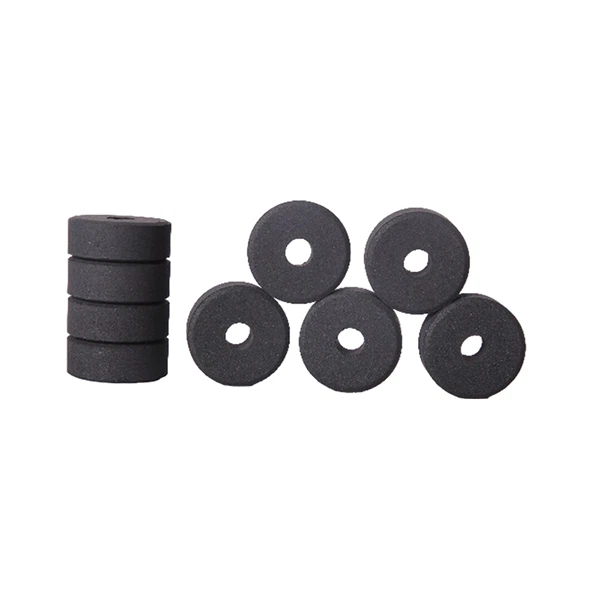
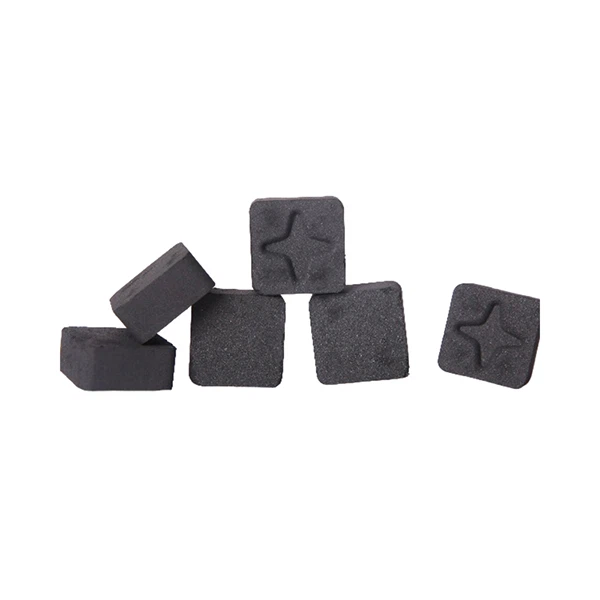
First off, let's talk about what burning incense carbon is. It's basically charcoal that's used to burn incense, whether it's for religious ceremonies, meditation, or just to create a nice, relaxing atmosphere. There are different types of burning incense carbon, like the Air Flow Instant Lite Fantancy V Shape Hookah Shisha Charcoal, Odorless Charcoal, and Wood Incense Charcoal. Each type has its own unique features and benefits.
Now, when it comes to using burning incense carbon in a museum, there are a few things we need to consider. Museums are special places that house valuable artifacts, artworks, and historical items. These items are often very delicate and can be easily damaged by factors like smoke, heat, and pollutants. So, the big question is, can our burning incense carbon be used safely in such an environment?
The Pros of Using Burning Incense Carbon in a Museum
One of the potential benefits of using burning incense carbon in a museum is the cultural and historical significance. In many cultures, burning incense has been a part of religious and ceremonial practices for centuries. By using burning incense carbon, museums can create a more immersive and authentic experience for visitors, especially when they're showcasing exhibits related to these cultures.
For example, if a museum has an exhibit on ancient Asian religions, burning incense can help transport visitors back in time and give them a better sense of what those religious ceremonies were like. It can add an extra layer of depth and authenticity to the exhibit, making it more engaging and memorable.
Another pro is the mood and atmosphere it can create. Burning incense often has a pleasant smell that can help create a calm and relaxing environment. In a museum, this can be beneficial as it can help visitors feel more at ease and focused, allowing them to better appreciate the exhibits.
The Cons of Using Burning Incense Carbon in a Museum
However, there are also some significant drawbacks to using burning incense carbon in a museum. The most obvious one is the potential damage to the artifacts. Burning incense carbon produces smoke, and this smoke can contain harmful particles and pollutants. These particles can settle on the artifacts, causing discoloration, corrosion, and other forms of damage over time.
Even if the smoke is filtered, there's still a risk. Some of the chemicals released during the burning process can be invisible to the naked eye but still have a negative impact on the artifacts. For example, certain acids in the smoke can react with the materials of the artifacts, leading to long - term deterioration.
Heat is another concern. Burning incense carbon generates heat, and if it's not properly controlled, this heat can cause damage to sensitive artifacts. High temperatures can cause materials to expand and contract, which can lead to cracking, warping, or other structural damage.

In addition, there are safety issues. Museums are public places with a large number of visitors, and having an open flame from burning incense carbon can pose a fire hazard. If not handled properly, it could lead to a serious accident.
Safety Measures and Alternatives
If a museum decides to use burning incense carbon, strict safety measures need to be in place. The burning should be done in a well - ventilated area to minimize the concentration of smoke and pollutants. There should also be fire - prevention equipment nearby, such as fire extinguishers, and trained staff to monitor the process.
However, considering the potential risks, there are also some alternatives. For example, museums can use artificial incense scents that are released through diffusers. These diffusers can create a similar aroma without the risks associated with burning incense carbon. They're also more controllable in terms of the intensity of the scent and can be turned off easily.
Another alternative is to use digital simulations. With modern technology, museums can create virtual experiences that replicate the act of burning incense, complete with the sounds and visuals. This way, visitors can still get a sense of the cultural significance without any of the physical risks.
Conclusion
So, can burning incense carbon be used in a museum? The answer is it's possible, but it comes with a lot of challenges and risks. Museums need to carefully weigh the pros and cons before deciding to use it. If they do choose to use it, they must implement strict safety measures to protect the artifacts and the visitors.
As a burning incense carbon supplier, I understand the allure of using our products to enhance the museum experience. But I also recognize the importance of preserving these precious cultural treasures. That's why I'm always open to working with museums to find the best solutions, whether it's through safe use of our burning incense carbon or exploring alternative options.
If you're a museum curator, event planner, or just someone interested in our burning incense carbon products, I'd love to hear from you. We can have a chat about your specific needs and see how we can work together to create a unique and safe experience. Don't hesitate to reach out to start a procurement discussion.
References
- "Museum Environment Handbook" by Andrew Oddy
- "Conservation of Cultural Heritage: An Introduction" by Paul Smith