




Can odorless charcoal be used for a charcoal rotisserie?
 Sep 17, 2025|
Can odorless charcoal be used for a charcoal rotisserie? This is a question that many barbecue enthusiasts and professional chefs often ponder. As a supplier of odorless charcoal, I am well - versed in the properties and applications of this product, and I'm excited to share my insights with you.
The Basics of Charcoal Rotisseries
Charcoal rotisseries have been a staple in outdoor cooking for centuries. They offer a unique and delicious way to cook meat, poultry, and even vegetables. The slow, even rotation of the food over the charcoal heat ensures that it cooks evenly on all sides, resulting in a juicy and flavorful end - product. The key to a great charcoal rotisserie experience lies in the type of charcoal used.
Traditional charcoal can produce a strong, smoky flavor. While this is desirable for some types of barbecue, it can be overpowering or inappropriate for certain dishes. For example, if you're cooking a delicate fish or a light - flavored chicken breast, the strong smoky flavor from regular charcoal might mask the natural taste of the food.
What is Odorless Charcoal?
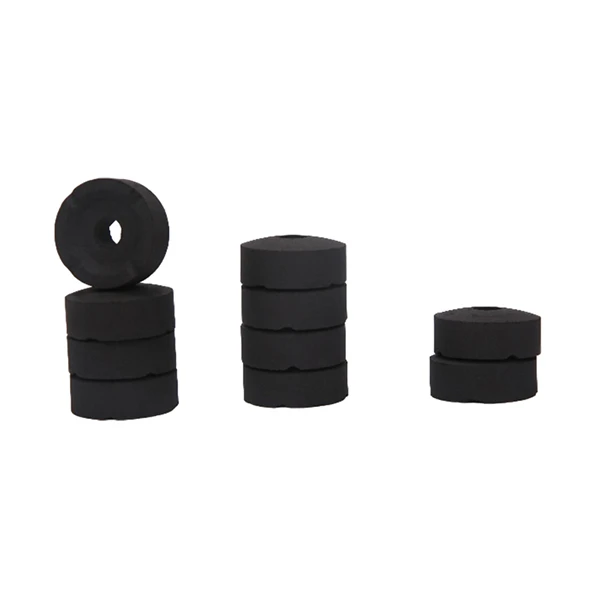
Odorless charcoal is a specially formulated type of charcoal that is designed to burn without producing a strong, offensive odor or a heavy, overpowering smoke. It is made from high - quality materials, often through a process that removes impurities and volatile substances. This results in a clean - burning charcoal that can provide a consistent and stable heat source.
One of the main advantages of odorless charcoal is its versatility. It can be used in a variety of cooking applications, not just in charcoal rotisseries. For instance, you can use it for Burning Incense with Charcoal. The clean - burning nature of odorless charcoal makes it ideal for this purpose, as it won't interfere with the delicate scents of the incense. It is also a popular choice for Charcoal for Incense and Catholic Incense Charcoal due to its purity and lack of strong odors.
Using Odorless Charcoal in a Charcoal Rotisserie
When it comes to using odorless charcoal in a charcoal rotisserie, there are several benefits.
1. Preserving the Natural Flavor of Food
As mentioned earlier, odorless charcoal burns cleanly and doesn't produce a strong smoky flavor. This means that the natural flavors of the food being cooked on the rotisserie can shine through. Whether you're cooking a prime cut of beef or a fresh - caught fish, the subtle flavors of the ingredients will be more pronounced, giving you a more authentic and enjoyable dining experience.
2. Consistent Heat
Odorless charcoal is known for its ability to provide a consistent and stable heat source. In a charcoal rotisserie, this is crucial for ensuring that the food cooks evenly. Uneven heat can lead to some parts of the food being overcooked while others remain undercooked. With odorless charcoal, you can set the temperature and trust that it will stay relatively constant throughout the cooking process.
3. Healthier Option
Since odorless charcoal burns cleanly, it produces fewer harmful by - products such as soot and carcinogenic compounds compared to traditional charcoal. This makes it a healthier choice for both the cook and the diners. If you're concerned about the health implications of using charcoal for cooking, odorless charcoal is a great alternative.
How to Use Odorless Charcoal in a Rotisserie
Using odorless charcoal in a charcoal rotisserie is relatively straightforward, but there are a few tips to keep in mind.
1. Prepare the Charcoal
Before lighting the charcoal, make sure to arrange it evenly in the charcoal chamber of the rotisserie. You can use a charcoal starter or lighter fluid specifically designed for odorless charcoal. Once the charcoal is lit, let it burn for about 15 - 20 minutes until it turns gray and ashy on the surface. This indicates that it has reached the optimal cooking temperature.
2. Set the Temperature
Most charcoal rotisseries have adjustable vents that allow you to control the airflow and, therefore, the temperature. If you're cooking a large piece of meat, you may need to keep the vents open wider to maintain a higher temperature. For smaller or more delicate items, you can close the vents slightly to reduce the heat.

3. Monitor the Cooking Process
Keep an eye on the food as it cooks on the rotisserie. Use a meat thermometer to check the internal temperature of the meat to ensure that it is cooked to the desired doneness. Rotate the food regularly if necessary to ensure even cooking.
Considerations and Limitations
While odorless charcoal has many advantages for use in a charcoal rotisserie, there are also a few considerations.
1. Cost
Odorless charcoal can be more expensive than traditional charcoal. This is due to the higher - quality materials and the manufacturing process involved. However, many users find that the benefits, such as the clean - burning and flavor - preserving properties, justify the higher cost.
2. Availability
Depending on your location, odorless charcoal may not be as readily available as traditional charcoal. However, as a supplier, I can ensure a steady supply of high - quality odorless charcoal to meet your needs.
Conclusion
In conclusion, odorless charcoal can be an excellent choice for a charcoal rotisserie. It offers a clean - burning, consistent heat source that can preserve the natural flavors of the food and provide a healthier cooking option. Whether you're a home cook looking to impress your family and friends or a professional chef in a restaurant, odorless charcoal can elevate your charcoal rotisserie cooking to the next level.
If you're interested in learning more about our odorless charcoal products or would like to discuss a potential purchase, please feel free to reach out. We are always happy to answer your questions and help you find the right charcoal for your cooking needs.
References
- "The Science of Charcoal Cooking," Journal of Culinary Science, Vol. 12, Issue 3
- "Advantages of Odorless Charcoal in Various Cooking Applications," International Food and Cooking Review, Vol. 25, Issue 1