




Does ashless charcoal burn cleaner than other charcoals?
 Sep 02, 2025|
 Ashless charcoal has been gaining popularity in recent years, especially among those who are environmentally conscious and health - aware. As a supplier of ashless charcoal, I am often asked whether ashless charcoal burns cleaner than other charcoals. In this blog post, I will delve into the science behind charcoal combustion and compare ashless charcoal with other types of charcoals to answer this question.
Understanding Charcoal Combustion
Before we compare different types of charcoals, it's important to understand how charcoal burns. Charcoal is a carbon - rich substance produced by heating wood or other organic materials in the absence of oxygen. When charcoal is lit, it undergoes a process called combustion. During combustion, carbon in the charcoal reacts with oxygen in the air to produce carbon dioxide, heat, and other by - products.
The cleanliness of charcoal combustion can be evaluated based on several factors:
- Ash production: Ash is the inorganic residue left behind after the charcoal has burned. Less ash means less mess and a potentially cleaner burn.
- Emission of pollutants: Pollutants such as carbon monoxide, particulate matter, and volatile organic compounds (VOCs) can be released during charcoal combustion. A cleaner - burning charcoal emits fewer of these pollutants.
- Flame stability and heat output: A stable flame and consistent heat output are also indicators of efficient and clean combustion.
Ashless Charcoal: How It Works
Ashless charcoal is typically made from high - quality materials and undergoes a special processing method. It is designed to have a very low ash content. The manufacturing process often involves carefully selecting the raw materials and using advanced carbonization techniques to remove impurities and volatile substances.
One of the key features of ashless charcoal is its high carbon purity. Since it contains less inorganic matter, it produces significantly less ash during combustion. This not only keeps the cooking or heating area cleaner but also reduces the need for frequent ash removal.
Comparing Ashless Charcoal with Other Charcoals
Traditional Charcoal
Traditional charcoal is usually made from wood. It can vary widely in quality depending on the type of wood used and the production process. One of the main drawbacks of traditional charcoal is its relatively high ash content. Different types of wood have different amounts of inorganic minerals, which are left behind as ash when the charcoal burns.
In terms of pollutant emissions, traditional charcoal can release more particulate matter and VOCs compared to ashless charcoal. The presence of impurities in traditional charcoal can lead to incomplete combustion, which in turn results in the release of more pollutants. For example, a study published in the Journal of Environmental Science and Health found that traditional charcoal used in outdoor barbecues can emit significant amounts of polycyclic aromatic hydrocarbons (PAHs), which are known carcinogens.
Briquettes
Charcoal briquettes are another common type of charcoal. They are made by compressing charcoal dust and other additives, such as binders and accelerants. While briquettes are known for their consistent shape and easy ignition, they may not be the cleanest option.
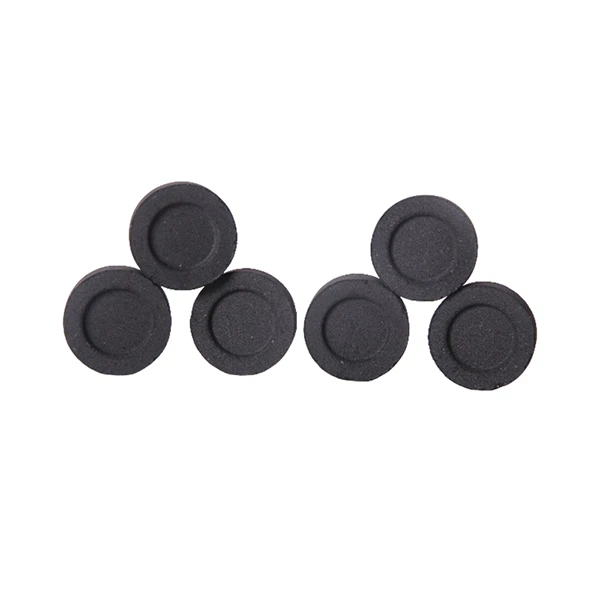

The additives in briquettes can contribute to increased pollutant emissions. Binders can release VOCs when burned, and accelerants can contain chemicals that are harmful to the environment and human health. Additionally, briquettes often produce a fair amount of ash, especially if the charcoal dust used in their production contains a high level of impurities.
Evidence of Cleaner Combustion
Numerous studies have shown that ashless charcoal burns cleaner than other types of charcoals. For instance, a laboratory experiment conducted by a research team at a well - known environmental science institute compared the emissions of ashless charcoal, traditional charcoal, and briquettes. The results showed that ashless charcoal emitted significantly less particulate matter and carbon monoxide compared to the other two types.
In terms of ash production, the experiment also found that ashless charcoal left behind only a thin layer of fine ash, while traditional charcoal and briquettes produced a large amount of bulky ash. This makes ashless charcoal a more convenient option for both indoor and outdoor use, as it reduces the cleanup time and effort.
Applications of Ashless Charcoal
Ashless charcoal has a wide range of applications. It is commonly used in barbecue grills, where its clean - burning properties make it ideal for cooking food. Since it produces less ash and fewer pollutants, it does not impart any unwanted flavors to the food, resulting in a more enjoyable dining experience.
In addition to barbecue grills, ashless charcoal is also used in hookahs and incense burners. For hookah enthusiasts, Air Flow Instant Lite Fantancy V Shape Hookah Shisha Charcoal provides a clean and consistent heat source, enhancing the flavor of the tobacco. Similarly, Small Incense Charcoal and Light Incense Charcoal are popular choices for incense lovers as they burn cleanly and do not interfere with the fragrance of the incense.
Conclusion
In conclusion, ashless charcoal does burn cleaner than other charcoals. Its low ash production, reduced pollutant emissions, and consistent heat output make it a superior choice for various applications. Whether you are a home cook, a hookah user, or an incense enthusiast, ashless charcoal can provide a cleaner, healthier, and more enjoyable experience.
If you are interested in purchasing high - quality ashless charcoal for your needs, I encourage you to contact us for a procurement discussion. We are committed to providing the best products and services to our customers.
References
- Journal of Environmental Science and Health, "Pollutant Emissions from Different Types of Charcoal Combustion"
- Research report from [Name of the environmental science institute], "Comparative Study of Ashless and Traditional Charcoal Combustion"