




Does burning incense carbon have a special fragrance?
 Sep 01, 2025|
 As a supplier of Burning Incense Carbon, I've often been asked the question: Does burning incense carbon have a special fragrance? This is a topic that combines both the art of incense - burning and the science of charcoal production. In this blog, I'll explore this question in depth, sharing insights from my experience in the industry.
The Basics of Incense Carbon
First, let's understand what incense carbon is. Incense carbon is a type of charcoal that is specifically designed for use in incense - burning activities. It is usually made from various natural materials such as wood, bamboo, or coconut shells. These raw materials are processed through a series of steps including carbonization, which involves heating the materials in a low - oxygen environment to convert them into charcoal.
The choice of raw material plays a crucial role in the characteristics of the incense carbon. For example, Coconut Shell Charcoal is highly regarded in the market. Coconut shells are known for their high carbon content and density. When they are turned into charcoal, they burn evenly and steadily, providing a stable base for incense - burning. This type of charcoal often has a clean - burning quality, which means it produces less ash and smoke compared to some other types of charcoal.
The Fragrance Aspect
Now, back to the question: Does burning incense carbon have a special fragrance? The answer is both yes and no.
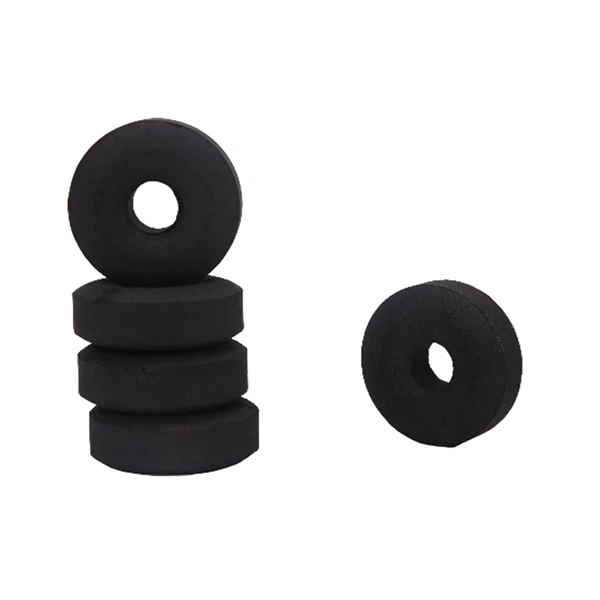
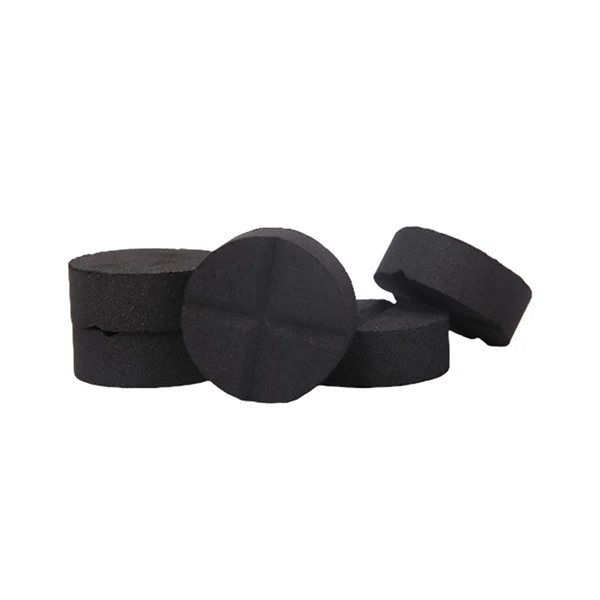
In its pure form, high - quality incense carbon typically doesn't have a strong, distinct fragrance. The primary goal of making incense carbon is to create a reliable heat source for burning incense. However, some people might detect a very subtle, earthy aroma when the carbon is burning. This is mainly due to the natural components of the raw materials used in the charcoal. For instance, bamboo - based incense carbon might emit a faint, woody scent that is reminiscent of a forest. This is not a strong perfume - like fragrance but rather a gentle, natural aroma that can enhance the overall sensory experience of incense - burning.
On the other hand, when incense carbon is used in combination with incense materials, the situation changes completely. Incense comes in various forms, such as Round Charcoal Incense and Incense Charcoal Tablets. These incense products are infused with a wide range of aromatic substances, including essential oils, resins, and herbs. When the incense carbon provides the heat to burn these incense materials, a rich and complex fragrance is released into the air.
For example, an incense made with sandalwood essential oil will fill the room with a warm, sweet, and woody fragrance. The incense carbon acts as a catalyst, helping to vaporize the aromatic compounds in the incense and disperse them throughout the space. In this context, while the incense carbon itself might not be the source of the main fragrance, it is an indispensable part of the process that allows the beautiful scents of the incense to be experienced.
The Science Behind the Fragrance Release
To understand how the fragrance is released when burning incense carbon and incense, we need to look at some basic scientific principles. When the incense carbon burns, it generates heat. This heat causes the aromatic compounds in the incense to change from a solid or liquid state to a gaseous state through a process called sublimation or evaporation.
Aromatic compounds are made up of various molecules, each with its own unique chemical structure. These molecules have different boiling points, which means they will vaporize at different temperatures. The heat from the burning incense carbon is carefully calibrated to reach the appropriate temperatures for the aromatic compounds in the incense to be released.
For example, some essential oils have relatively low boiling points and can be easily vaporized at the temperatures produced by the burning incense carbon. As these molecules are released into the air, they interact with the olfactory receptors in our noses, triggering a sensory response that we perceive as a fragrance.
Quality and Fragrance - Related Factors
The quality of the incense carbon can also affect the fragrance experience. A high - quality incense carbon burns evenly and consistently. This is important because uneven burning can lead to incomplete vaporization of the aromatic compounds in the incense. If the heat is not evenly distributed, some parts of the incense might not reach the necessary temperature to release their fragrance fully, resulting in a less - than - optimal scent experience.
In addition, impurities in the incense carbon can have a negative impact on the fragrance. Low - quality charcoal might contain contaminants such as sulfur or other chemicals. When these impurities burn, they can produce unpleasant odors that can mix with and overpower the fragrance of the incense. Therefore, as a supplier, I always ensure that our incense carbon is of the highest quality, free from impurities and capable of providing a stable and clean - burning environment for incense.
Cultural and Spiritual Significance
Beyond the scientific and olfactory aspects, incense - burning has deep cultural and spiritual significance in many parts of the world. In religious ceremonies, such as in Buddhism, Hinduism, and some traditional Chinese and Japanese rituals, incense is used to create a sacred atmosphere. The fragrance is believed to purify the air, ward off evil spirits, and help people focus their minds during meditation or prayer.
The role of incense carbon in these cultural practices is to support the release of the incense's fragrance, which is an essential part of the ritual. The subtle, natural aroma of the burning incense carbon, combined with the rich scents of the incense, creates a multi - sensory experience that adds to the solemnity and spirituality of the occasion.
Conclusion
In conclusion, while pure incense carbon might not have a strong, special fragrance on its own, it plays a vital role in the fragrance - releasing process when used with incense. It provides the necessary heat to vaporize the aromatic compounds in the incense, allowing us to enjoy a wide variety of beautiful scents. The choice of raw material, the quality of the incense carbon, and its burning characteristics all contribute to the overall fragrance experience.
If you are interested in exploring the world of incense - burning and are looking for high - quality Burning Incense Carbon, I invite you to contact us for procurement and further discussions. We are committed to providing the best products to meet your needs and enhance your incense - burning experience.
References
- "The Art and Science of Incense - Making" by a renowned incense expert.
- Research papers on the chemical composition of incense materials and the process of fragrance release.