




How do I avoid flare - ups when using barbecue charcoal?
 Jun 11, 2025|
 Hey there, fellow barbecue enthusiasts! As a supplier of top - notch barbecue charcoal, I've seen my fair share of barbecue mishaps, especially those pesky flare - ups. They can turn a perfect barbecue session into a bit of a disaster, charring your food and making the whole process way more stressful than it should be. But don't worry, I'm here to share some tips on how you can avoid those annoying flare - ups when using our barbecue charcoal.
Understanding the Cause of Flare - Ups
First things first, let's talk about what causes flare - ups in the first place. Flare - ups usually happen when fat and juices from the meat drip onto the hot charcoal. When these drippings hit the coals, they vaporize and ignite, creating sudden bursts of flames. Another common cause is using too much lighter fluid or other accelerants. If you pour on too much, it can lead to an overly intense and uncontrollable fire.
Choosing the Right Charcoal
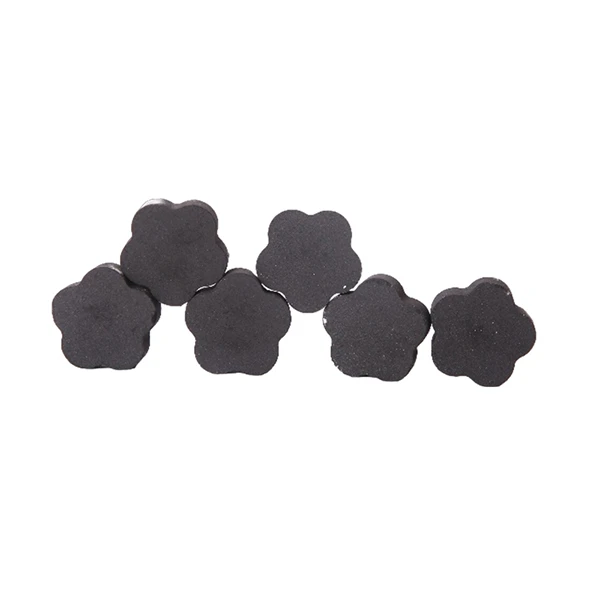
One of the keys to avoiding flare - ups is selecting the right type of charcoal. We offer a variety of options, like Ignite Charcoal Bbq, Bbq Coal, and Barbecue Coal Brick. Each has its own characteristics.
Hardwood charcoal, for example, burns cleaner and more evenly than some other types. It doesn't produce as much ash, and it's less likely to cause sudden flare - ups. Our hardwood charcoal is made from high - quality hardwoods that are carefully selected and processed to ensure a consistent burn.
Charcoal briquettes are another popular choice. They're made by compressing charcoal dust and other ingredients together. Our briquettes are designed to burn steadily and provide a long - lasting heat source. They're also more uniform in size and shape, which helps with even heat distribution.

Proper Charcoal Lighting
The way you light your charcoal can also have a big impact on whether or not you'll experience flare - ups. Avoid using too much lighter fluid. A little bit goes a long way. Just pour a small amount over the charcoal and let it soak in for a few minutes before lighting it. You can also use a chimney starter. It's a great tool for lighting charcoal without the need for lighter fluid. Simply fill the chimney with charcoal, place a piece of newspaper at the bottom, and light the newspaper. The heat will rise through the chimney, lighting the charcoal evenly.
Once the charcoal is lit, give it enough time to ash over before you start cooking. This usually takes about 15 - 20 minutes. Ashing over helps to reduce the intensity of the flames and makes the charcoal burn more steadily.
Managing the Grill Temperature
Maintaining the right grill temperature is crucial for avoiding flare - ups. If the grill is too hot, the fat and juices from the meat will drip onto the charcoal and ignite more easily. You can control the temperature by adjusting the vents on your grill. Opening the vents allows more oxygen to reach the charcoal, which makes the fire burn hotter. Closing the vents restricts the oxygen flow, which cools the fire down.
It's also a good idea to create a two - zone fire. This means piling the charcoal on one side of the grill and leaving the other side empty. You can cook your food directly over the hot coals for searing, and then move it to the cooler side to finish cooking. This way, you can control the heat and prevent the meat from getting too charred.
Preparing the Meat
How you prepare your meat can also help reduce the risk of flare - ups. Trim excess fat from the meat before cooking. The less fat there is, the fewer drippings there will be to cause flare - ups. You can also marinate the meat. Marinating not only adds flavor but also helps to keep the meat moist. A moist piece of meat is less likely to release as much fat and juices during cooking.
Using a Drip Pan
Placing a drip pan under the grill grate is a simple yet effective way to catch the fat and juices from the meat. This prevents them from dripping onto the charcoal and causing flare - ups. You can use a disposable aluminum pan or a reusable metal pan. Just make sure it's large enough to catch all the drippings.
Cleaning the Grill Regularly
A dirty grill is more likely to cause flare - ups. Grease and debris can build up on the grill grates and in the bottom of the grill, which can ignite when the charcoal gets hot. Make sure to clean your grill after each use. Use a grill brush to scrub the grates and remove any stuck - on food. Empty the ash from the bottom of the grill and wipe down the inside with a damp cloth.
Conclusion
Avoiding flare - ups when using barbecue charcoal is all about taking a few simple precautions. By choosing the right charcoal, lighting it properly, managing the grill temperature, preparing the meat correctly, using a drip pan, and keeping the grill clean, you can enjoy a hassle - free barbecue session every time.
If you're interested in purchasing our high - quality barbecue charcoal, I'd love to hear from you. Whether you're a home cook or a professional pitmaster, we have the right charcoal for your needs. Reach out to start a conversation about your charcoal requirements, and let's make your next barbecue the best one yet!
References
- "The Barbecue Bible" by Steven Raichlen
- Various barbecue blogs and forums where real - life barbecue experiences are shared.