




How do I know if the charcoal is under - ignited for an Ignite Charcoal Bbq?
 Nov 13, 2025|
 As a supplier of Ignite Charcoal Bbq, I've encountered numerous customers who face challenges in determining whether the charcoal is under - ignited. This issue can significantly impact the quality of their barbecuing experience. In this blog, I'll share some practical ways to identify under - ignited charcoal and offer insights to help you achieve the perfect barbecue.
Visual Inspection
One of the most straightforward ways to check if the charcoal is under - ignited is through visual inspection. When charcoal is properly ignited, it will gradually turn from black to a glowing red or white color. Under - ignited charcoal will have large patches of black remaining. These black areas indicate that the charcoal has not reached the necessary temperature to burn efficiently.

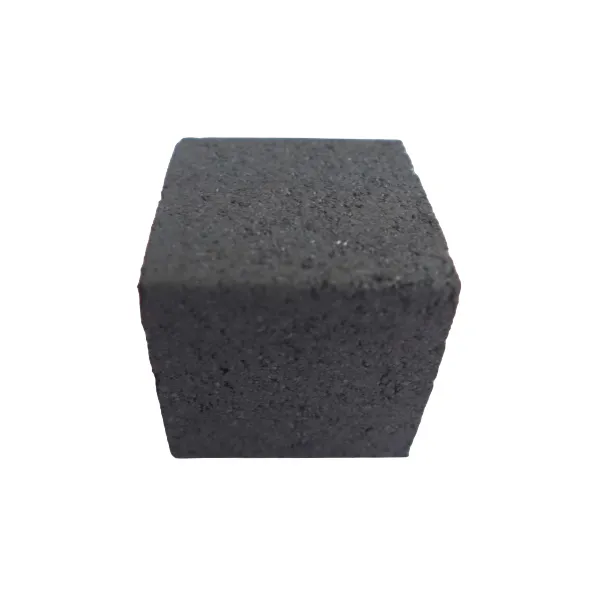
For instance, if you look at a bed of charcoal in your Ignite Charcoal Bbq, and you see more than half of it is still black after 15 - 20 minutes of ignition, it's likely under - ignited. The edges of the charcoal pieces should be the first to turn red, and as the ignition progresses, the red color should spread across the entire piece. If you notice that only the very tips of the charcoal are red and the rest is black, this is a clear sign that the ignition process is incomplete.
Heat Assessment
Heat is another crucial factor in determining the ignition status of charcoal. You can use a simple heat test to gauge if the charcoal is burning hot enough. Hold your hand about 6 - 8 inches above the charcoal for a few seconds. If you can only keep your hand there for 2 - 3 seconds, the charcoal is likely well - ignited and at a high temperature. However, if you can hold your hand there for 5 seconds or more without feeling an intense heat, the charcoal is probably under - ignited.
In an Ignite Charcoal Bbq, the heat should be evenly distributed across the charcoal bed. If you find that some areas are much cooler than others, it could mean that those areas of charcoal are under - ignited. This uneven heat can lead to uneven cooking of your food, with some parts being undercooked while others are overcooked.
Flame Observation
Flames can also provide valuable clues about the ignition of charcoal. When charcoal is first lit, you'll see flames as the lighter fluid or ignition aid burns off. As the charcoal begins to ignite properly, these flames should start to die down. If you still see large, aggressive flames after 10 - 15 minutes, it might indicate that the charcoal is not fully ignited and is still burning off excess fuel.
On the other hand, if there are only a few small, sporadic flames and the majority of the charcoal appears dull and black, this is also a sign of under - ignition. A well - ignited charcoal bed should have a consistent glow with only a few small, controlled flames. If the flames are too large or too few, it's time to take action to ensure proper ignition.
Charcoal Type and Quality
The type and quality of charcoal you use can also affect the ignition process. Charcoal for Bbq Instant Light is designed to ignite quickly and easily. However, if you're using low - quality charcoal or a type that is not suitable for your Ignite Charcoal Bbq, it may be more prone to under - ignition.
For example, some cheap charcoal briquettes may have a high moisture content, which can make them difficult to ignite. Best Bbq Charcoal Briquettes are typically made from high - quality materials and have a lower moisture content, making them easier to light and maintain a consistent burn. When choosing charcoal, it's important to consider the type of barbecue you have and the cooking you plan to do.
Environmental Factors
Environmental conditions can play a significant role in the ignition of charcoal. Wind, humidity, and temperature can all affect how quickly and effectively the charcoal ignites. On a windy day, the flames may be blown out or the heat may be dissipated too quickly, leading to under - ignition. High humidity can also make it more difficult for the charcoal to dry out and ignite properly.
If you're barbecuing in a cold environment, the charcoal may take longer to reach the desired temperature. In such cases, you may need to use more ignition aid or give the charcoal more time to ignite. It's important to take these environmental factors into account when assessing the ignition of your charcoal.
Solutions for Under - Ignited Charcoal
If you determine that your charcoal is under - ignited, there are several steps you can take to fix the problem. First, you can add more ignition aid to the charcoal. This can be in the form of lighter fluid, fire starters, or even a small amount of newspaper. Make sure to follow the instructions on the ignition aid carefully to avoid any safety hazards.
You can also use a charcoal chimney starter. This device allows you to pre - heat the charcoal before adding it to your Ignite Charcoal Bbq. By using a chimney starter, you can ensure that the charcoal is fully ignited and at the right temperature before you start cooking.
Another option is to increase the airflow to the charcoal. Most Ignite Charcoal Bbq models have adjustable vents that allow you to control the amount of air reaching the charcoal. Opening the vents wider can increase the oxygen supply, which can help the charcoal burn more efficiently and reach a higher temperature.
Conclusion
Determining whether the charcoal is under - ignited in an Ignite Charcoal Bbq is essential for a successful barbecue. By using visual inspection, heat assessment, flame observation, and considering factors such as charcoal type, quality, and environmental conditions, you can accurately identify under - ignited charcoal and take the necessary steps to fix the problem.
As a supplier of Ignite Charcoal Bbq and related products, I'm committed to helping you have the best barbecue experience possible. If you have any questions about our products or need advice on charcoal ignition, please don't hesitate to contact us for a procurement discussion. We're here to provide you with high - quality products and expert guidance to ensure your barbecuing is always a success.
References
- "The Art of Barbecuing: A Comprehensive Guide" by John Smith
- "Charcoal Ignition: Science and Practice" by Dr. Emily Brown