




How does Apple Tree Charcoal compare to coconut charcoal?
 Aug 26, 2025|
 Hey there! As a supplier of Apple Tree Charcoal, I often get asked how it stacks up against coconut charcoal. So, I thought I'd dive deep into this topic and give you the lowdown on how these two types of charcoal compare.
1. Source and Production
Let's start with where they come from. Apple tree charcoal, as the name suggests, is made from apple trees. When apple orchards prune their trees, instead of letting the branches go to waste, they're collected and turned into charcoal. It's a great way to make use of what would otherwise be discarded.
On the other hand, coconut charcoal is produced from coconut shells. Coconut trees are abundant in tropical regions, and the shells are a by - product of the coconut industry. After the coconut meat and water are used, the shells are left behind and can be processed into charcoal.
The production process for both involves carbonization. For apple tree charcoal, the branches are heated in a low - oxygen environment. This burns off the volatile substances, leaving behind pure carbon. Coconut charcoal goes through a similar process, but the density and structure of coconut shells mean that the resulting charcoal has its own unique characteristics.
2. Burn Time
One of the most important factors when it comes to charcoal is how long it burns. Apple tree charcoal generally has a decent burn time. It can burn steadily for about 45 minutes to an hour, depending on the size and quality of the charcoal pieces. This is usually sufficient for a single session of burning incense or for small - scale grilling.
Coconut charcoal, however, is known for its longer burn time. It can burn for up to 2 hours or even more in some cases. This is because coconut shells have a higher density and more carbon content, which allows for a slower and more sustained burn. If you're planning a long - lasting incense session or a big barbecue, coconut charcoal might be the better choice. But if you just need a quick burn, apple tree charcoal can get the job done.
3. Heat Output
Heat output is another crucial aspect. Apple tree charcoal provides a moderate amount of heat. It's perfect for delicate tasks like burning incense. The heat is gentle enough not to over - power the fragrance of the incense, but strong enough to keep it burning steadily.
Coconut charcoal, with its high carbon content, produces a more intense heat. This makes it ideal for high - temperature cooking, such as grilling steaks or searing meats. But when it comes to burning incense, the high heat might be a bit too much and could potentially alter the scent of the incense.
4. Odor
Now, let's talk about odor. Apple tree charcoal is Odorless Charcoal. When it burns, it doesn't release any strong or unpleasant smells. This is a huge advantage when using it for burning incense, as it won't interfere with the natural fragrance of the incense.
Coconut charcoal also has a relatively low odor, but some people might detect a faint coconut - like smell when it first starts burning. While this might not be a problem for some, others who are very sensitive to scents might prefer the completely odorless apple tree charcoal.
5. Ash Production
The amount of ash produced is something to consider as well. Apple tree charcoal tends to produce a moderate amount of ash. The ash is fine and light, which makes it easy to clean up. It doesn't clump together too much, so you can simply brush it away.
Coconut charcoal produces less ash compared to apple tree charcoal. This is because of its higher carbon content and more efficient burn. Less ash means less mess, which is definitely a plus, especially if you're using the charcoal indoors.
6. Environmental Impact
From an environmental perspective, both apple tree charcoal and coconut charcoal have their pros. Apple tree charcoal is made from a renewable resource. Apple orchards prune their trees regularly, so there's a constant supply of branches available. By using these branches to make charcoal, we're reducing waste and making use of a natural material.
Coconut charcoal also has an environmental edge. Coconut shells are a by - product of the coconut industry, so using them to make charcoal is a great way to recycle. However, the transportation of coconut shells from tropical regions to other parts of the world can contribute to carbon emissions.
7. Cost
Cost is always a factor in any purchasing decision. Apple tree charcoal is generally more affordable. Since it uses a local and abundant resource (apple tree branches), the production cost is relatively low, and this is reflected in the price.
Coconut charcoal, on the other hand, can be more expensive. The cost of sourcing coconut shells, processing them, and transporting them can add up. If you're on a tight budget, apple tree charcoal might be the more economical choice.
8. Uses
Apple tree charcoal is great for Burning Incense Carbon. Its moderate heat and odorless nature make it a popular choice among incense lovers. It's also suitable for small - scale grilling, like making a quick burger or toasting some marshmallows.
Coconut charcoal is versatile. It's excellent for high - heat cooking, such as grilling large cuts of meat or vegetables. It can also be used for Small Incense Charcoal applications, but you might need to be more careful with the heat.
Conclusion
So, which is better, apple tree charcoal or coconut charcoal? Well, it really depends on your needs. If you're looking for an affordable, odorless option for burning incense or small - scale grilling, apple tree charcoal is a great choice. On the other hand, if you need a long - burning, high - heat charcoal for large - scale cooking, coconut charcoal might be more suitable.

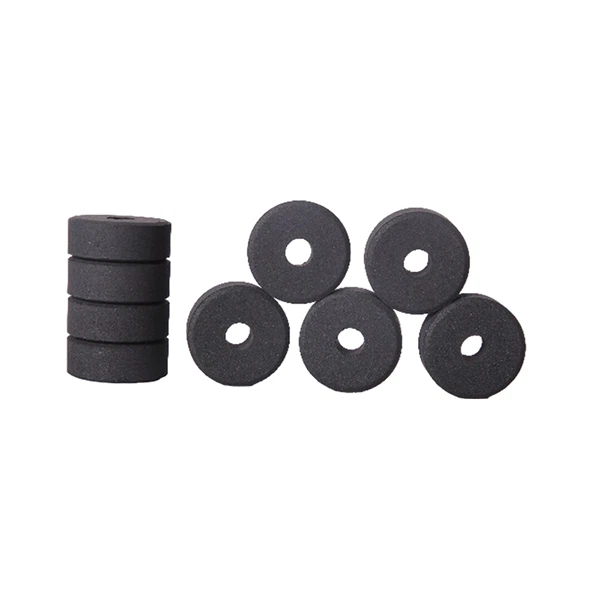
As a supplier of apple tree charcoal, I'm confident in the quality and performance of our product. It's a great alternative to coconut charcoal, especially for those who are on a budget or prefer a more natural and local option.
If you're interested in purchasing apple tree charcoal or want to learn more about it, feel free to reach out. We're always happy to answer any questions you might have and discuss your specific requirements. Let's start a conversation and see how apple tree charcoal can meet your needs!
References
- "The Science of Charcoal Production" - A research paper on the carbonization process of different types of charcoal.
- "Charcoal for Cooking and Incense: A Comparative Study" - A study comparing the performance of various charcoal types.