




How does coal for incense impact air quality?
 Jan 12, 2026|
How does coal for incense impact air quality?
As a supplier of coal for incense, I'm often asked about the environmental impact of the products we offer. The relationship between coal for incense and air quality is complex, involving various factors that have both direct and indirect consequences for the environment and human health. In this blog post, I'll delve into the science behind how coal for incense affects air quality, exploring the types of emissions, health implications, and possible mitigation strategies.
Types of Coal for Incense and Their Emissions
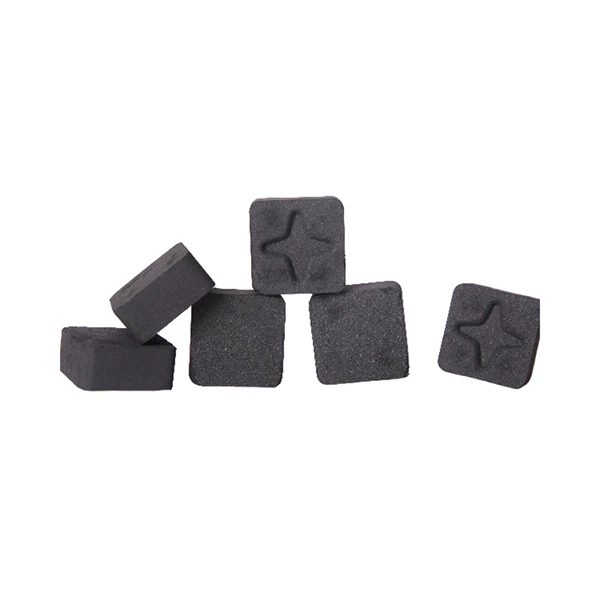
Coal used in incense comes in different forms, each with its own set of characteristics and emission profiles. Commonly, bamboo charcoal, coconut shell charcoal, and other types of hardwood charcoal are used. Bamboo incense charcoal Bamboo Incense Charcoal is a popular choice due to its fast - burning nature and relatively high heat output. Coconut shell charcoal is known for its long - lasting burning and low odor.
When coal for incense burns, it generates a variety of pollutants. The primary combustion products include particulate matter (PM), carbon monoxide (CO), carbon dioxide (CO₂), nitrogen oxides (NOₓ), and volatile organic compounds (VOCs).
Particulate matter is a mixture of solid particles and liquid droplets in the air. PM can be further classified into different sizes, such as PM₁₀ (particles with a diameter of 10 micrometers or less) and PM₂.₅ (particles with a diameter of 2.5 micrometers or less). These fine particles can penetrate deep into the lungs and even enter the bloodstream, causing a range of health problems. Burning incense with charcoal Burning Incense with Charcoal releases significant amounts of PM₂.₅, which is of particular concern as it can cause respiratory and cardiovascular diseases.
Carbon monoxide is a colorless, odorless, and toxic gas. When coal burns incompletely, CO is produced. Exposure to high levels of CO can reduce the oxygen - carrying capacity of the blood, leading to headaches, dizziness, and in severe cases, can be fatal. Although the concentration of CO emitted from incense burning is usually lower compared to other sources such as vehicle exhausts, long - term exposure in poorly ventilated areas can still pose a risk.
Carbon dioxide is a greenhouse gas that contributes to global warming. While the amount of CO₂ emitted from individual incense burners may seem negligible, the cumulative effect of widespread incense use, especially in religious and cultural ceremonies, can add to the overall carbon footprint.
Nitrogen oxides are formed when nitrogen in the air reacts with oxygen at high temperatures during combustion. NOₓ can contribute to the formation of ground - level ozone and acid rain, and it can also irritate the respiratory system.
Volatile organic compounds are a large group of chemicals that can vaporize at room temperature. Some VOCs are harmful to human health and can also react in the atmosphere to form secondary pollutants such as ozone. Incense burning can release a variety of VOCs, including benzene, toluene, and formaldehyde, which are known carcinogens.
Health Implications of Incense Coal Emissions
The pollutants emitted from coal - burning incense can have both short - term and long - term health effects. In the short term, exposure to high concentrations of PM₂.₅ and other pollutants can cause immediate irritation of the eyes, nose, and throat. It can also trigger asthma attacks and exacerbate other respiratory conditions.

Long - term exposure to these pollutants is associated with more serious health problems. Chronic exposure to PM₂.₅ has been linked to an increased risk of lung cancer, heart disease, and respiratory infections. The presence of carcinogenic VOCs such as benzene and formaldehyde in incense smoke further increases the risk of cancer.
Children, the elderly, and people with pre - existing health conditions are particularly vulnerable to the health effects of incense coal emissions. For example, children's lungs are still developing, making them more susceptible to the harmful effects of air pollutants.
Factors Affecting Emission Levels
Several factors can influence the amount and type of pollutants emitted when using coal for incense. The quality of the coal is a significant factor. High - quality coal burns more efficiently and produces fewer pollutants compared to low - quality coal. Our company is committed to providing high - quality Hookah Incense Charcoal Coals Hookah Incense Charcoal Coals that are designed to burn cleanly and with minimal emissions.
The ventilation conditions where the incense is burned also play a crucial role. In well - ventilated areas, pollutants can disperse quickly, reducing the concentration of harmful substances in the air. On the other hand, in poorly ventilated spaces such as small enclosed rooms, the pollutants can accumulate to high levels, increasing the risk of health problems.
The burning time and frequency of incense use also affect the overall exposure to pollutants. Frequent and long - term burning of incense can lead to a continuous release of pollutants, which can have a more significant impact on air quality and human health.
Mitigation Strategies
To minimize the impact of coal for incense on air quality and human health, several mitigation strategies can be adopted.
Firstly, using high - quality coal is essential. As a supplier, we test our products rigorously to ensure they meet the highest quality standards and produce minimal emissions. Buying from a reliable supplier like us can help you obtain coal that burns more cleanly.
Proper ventilation is another key factor. When burning incense, make sure the area is well - ventilated. You can open windows and doors to allow fresh air to circulate and carry away the pollutants. Using exhaust fans can also be an effective way to improve ventilation.
Limiting the frequency and duration of incense burning can also reduce the overall exposure to pollutants. Instead of burning incense continuously, consider using it less frequently or for shorter periods.
Our Role as a Supplier
As a supplier of coal for incense, we recognize our responsibility in promoting sustainable and healthy practices. We are constantly researching and developing new products to minimize the environmental impact of our coal. Our manufacturing processes are designed to ensure that the coal we produce is of the highest quality and produces the least amount of pollutants.
We also provide educational resources to our customers to help them understand the proper use of our products and the potential impact on air quality. By working together with our customers, we aim to create a balance between cultural and religious practices that involve incense burning and environmental protection.
Contact for Procurement
If you are interested in purchasing our high - quality coal for incense, we encourage you to contact us for procurement and negotiation. We offer a wide range of products to meet your different needs, and our team is ready to provide you with the best service and support. Whether you are a small retailer or a large distributor, we are committed to establishing a long - term and mutually beneficial partnership with you.
References
- World Health Organization. (2021). Ambient (outdoor) air quality and health.
- Environmental Protection Agency. (2022). Air Pollutants.
- Journal of Environmental Science and Health. Various studies on air quality and incense burning.