




How is bamboo sawdust charcoal different from bamboo charcoal?
 Jun 27, 2025|
Hey there! As a supplier of bamboo sawdust charcoal, I often get asked about how it differs from regular bamboo charcoal. So, I thought I'd sit down and write this blog to clear up any confusion. Let's dive right in!
What is Bamboo Charcoal?
First off, let's talk about bamboo charcoal. Bamboo charcoal is made by heating bamboo in a low - oxygen environment through a process called pyrolysis. It's been around for ages and has a wide range of uses. In Asia, it's commonly used for water purification, air purification, and even in traditional medicine.
When it comes to barbecue, bamboo charcoal has a solid reputation. It burns hot and clean, giving that authentic smoky flavor to your grilled food. The structure of bamboo charcoal is porous, which allows for good air circulation during burning, resulting in a steady heat source.
What is Bamboo Sawdust Charcoal?
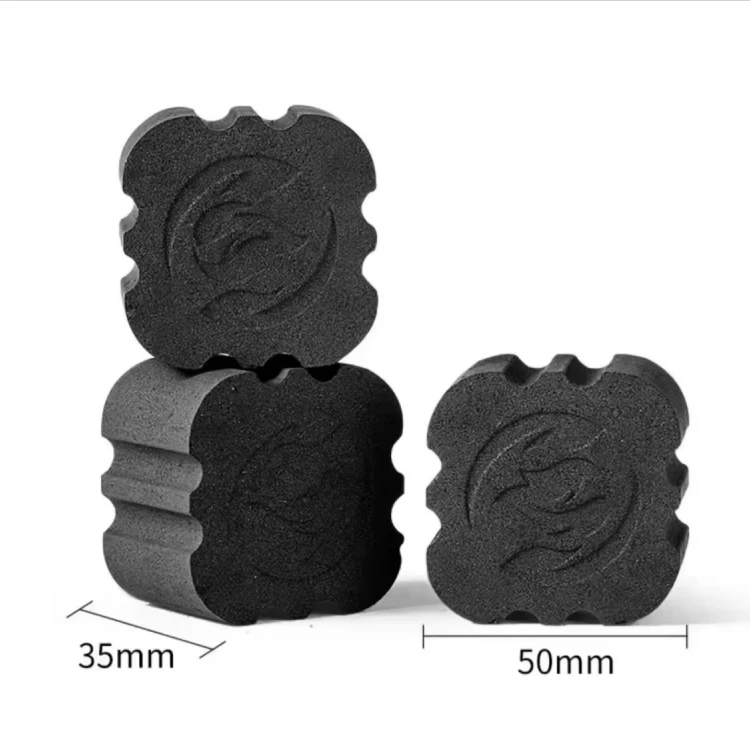
Now, bamboo sawdust charcoal is a bit different. As the name suggests, it's made from bamboo sawdust, which is a by - product of bamboo processing. Instead of using whole bamboo pieces, we take the fine sawdust and compress it into charcoal briquettes or other shapes.
The production process of bamboo sawdust charcoal involves collecting the sawdust, drying it to remove moisture, and then subjecting it to high - temperature carbonization. After that, binders may be added to form the final product. This process makes it possible to utilize the waste material from bamboo industries, which is not only cost - effective but also environmentally friendly.
Key Differences
1. Physical Structure
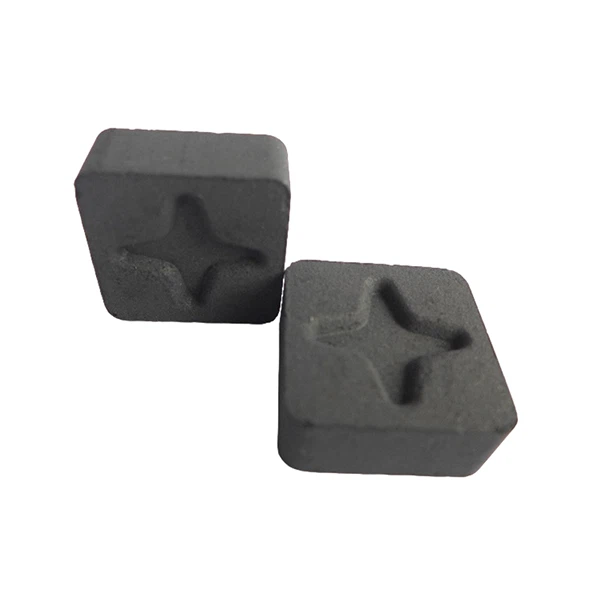
Bamboo charcoal retains the natural structure of bamboo. It has a relatively large and irregular shape, with the characteristic bamboo fibers still intact. On the other hand, bamboo sawdust charcoal is usually in a more uniform shape, like briquettes or cubes. The sawdust is compressed, so the internal structure is more compact and consistent compared to the natural porosity of bamboo charcoal.
2. Burning Characteristics
Bamboo charcoal burns quickly at the beginning and can reach a high temperature rapidly. However, it may also burn out faster, especially if not properly managed. In contrast, bamboo sawdust charcoal burns more slowly and steadily. The compact structure of the briquettes allows for a more controlled release of heat, which is great for long - term barbecuing or smoking.
The heat distribution of bamboo sawdust charcoal is also more even. Since the sawdust is evenly distributed in the briquette, the heat is released uniformly across the surface. This means you can get a more consistent cooking temperature throughout your barbecue, reducing the risk of over - or under - cooked food.
3. Smoke and Ash Production
Bamboo charcoal produces a distinct smoky flavor when burning, which some people really love for barbecuing. However, it may also produce more visible smoke, especially at the start of the burning process. Bamboo sawdust charcoal, on the other hand, produces less visible smoke. The compressed structure burns more cleanly, and the binders used in the production can also help reduce smoke emissions.
In terms of ash production, bamboo charcoal leaves behind a relatively large amount of ash because of its natural composition. Bamboo sawdust charcoal, due to its more uniform composition and the use of binders, leaves less ash. This makes it easier to clean up after your barbecue.
4. Energy Efficiency
Bamboo sawdust charcoal is generally more energy - efficient. Since it burns more slowly and steadily, you need less of it to achieve the same amount of cooking time as bamboo charcoal. This not only saves you money in the long run but also means less waste.
Advantages of Bamboo Sawdust Charcoal
For Barbecue Enthusiasts
If you're into barbecuing, bamboo sawdust charcoal is a great choice. Its slow - burning nature means you can have a long and relaxing barbecue session without constantly adding more charcoal. The even heat distribution ensures that your steaks, burgers, or vegetables are cooked evenly. And with less smoke and ash, your barbecue area will stay cleaner.
For the Environment
As I mentioned earlier, using bamboo sawdust is a way to recycle waste from bamboo industries. By choosing bamboo sawdust charcoal, you're supporting sustainable practices. It reduces the need to cut down more bamboo for charcoal production and helps in minimizing waste.
Our Product Range
At our company, we offer a variety of bamboo sawdust charcoal products. We have different shapes and sizes to meet your specific needs. Whether you're looking for Hexagon Coconut Charcoal - like shapes for a unique barbecue experience or Barbecue Charcoal Briquettes for a classic look, we've got you covered. We also have Cubic Quick Light Bbq Charcoal for those who want a fast - starting fire.
Why Choose Our Bamboo Sawdust Charcoal?
- Quality Assurance: We ensure that our bamboo sawdust charcoal meets the highest quality standards. The raw materials are carefully selected, and the production process is strictly monitored.
- Cost - Effective: Our products offer great value for money. You get a high - quality charcoal product at a reasonable price.
- Eco - Friendly: By using bamboo sawdust, we're contributing to a more sustainable future. You can enjoy your barbecue knowing that you're making an environmentally conscious choice.
Contact for Purchase
If you're interested in our bamboo sawdust charcoal products, we'd love to hear from you. Whether you're a small - scale barbecue enthusiast or a large - scale commercial buyer, we can provide you with the right quantity and quality. Reach out to us, and let's start a discussion about your charcoal needs. We're here to offer the best products and service to make your barbecue experience even better.
References
- "Charcoal Production and Its Environmental Impact", Journal of Environmental Science and Technology
- "Comparative Study of Different Types of Charcoal for Barbecue", Food and Cooking Research
So, there you have it! The differences between bamboo sawdust charcoal and bamboo charcoal. I hope this blog has been helpful to you. If you have any more questions, feel free to drop them in the comments below. Happy barbecuing!