




How to choose the right coal for incense according to the incense type?
 Jun 02, 2025|
 As a supplier of Coal For Incense, I've witnessed firsthand the importance of choosing the right coal for different types of incense. The quality of the coal can significantly impact the burning experience, fragrance diffusion, and overall enjoyment of using incense. In this blog post, I'll share some insights on how to select the appropriate coal based on the incense type.
Understanding the Basics of Incense Coal
Before delving into the selection process, it's essential to understand what incense coal is and how it works. Incense coal, also known as charcoal for incense, is a solid fuel source used to burn incense. It is typically made from natural materials such as bamboo, coconut shell, or wood, and is designed to burn slowly and evenly, providing a stable heat source for the incense.
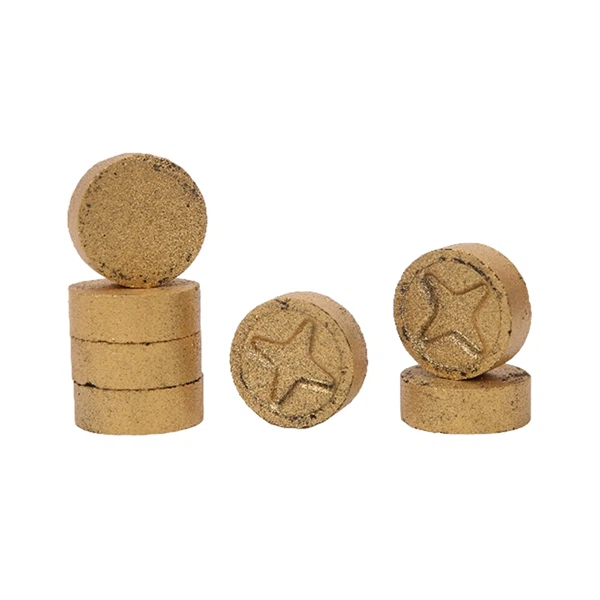
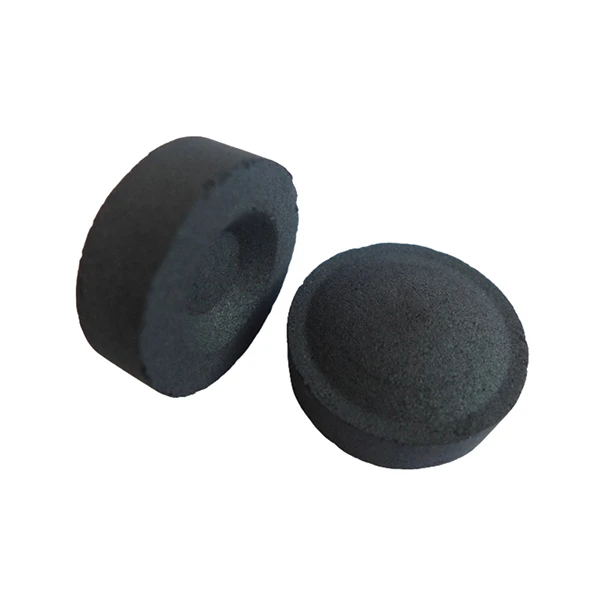
There are two main types of incense coal: quick light charcoal and regular charcoal. Quick Light Charcoal for Incense is pre - treated with chemicals to make it easier to light. It can be ignited quickly with a lighter or match, making it convenient for those who want to start using incense right away. On the other hand, regular charcoal, like Gold Charcoal, may take a bit more time to light, usually with the help of a charcoal burner or a special ignition device, but it often burns cleaner and may offer a more natural burning experience.
Factors to Consider When Choosing Coal for Different Incense Types
Resin Incense
Resin incense, such as frankincense and myrrh, is one of the oldest forms of incense. These resins are often hard and need a high - temperature source to release their full fragrance. For resin incense, a high - quality, slow - burning coal is recommended.
Regular charcoal, especially those made from hardwoods, is an excellent choice. Hardwood charcoal can reach and maintain a high enough temperature to melt the resin and allow it to vaporize gradually, releasing its rich and complex aromas. Gold Charcoal is a great option as it burns steadily, providing a consistent heat source for the resin to burn evenly. Avoid using quick - light charcoal that may have a strong chemical smell, as it can interfere with the delicate fragrance of the resin incense.
Stick Incense
Stick incense is one of the most common types of incense. It is made by coating a bamboo stick with a mixture of incense powder and a binding agent. When choosing coal for stick incense, the key is to ensure that the coal provides a gentle and stable heat.
Quick - light charcoal can be a convenient choice for stick incense, especially for those who are new to using incense or need a quick start. However, make sure to let the quick - light charcoal burn for a few minutes until the chemical smell dissipates. Regular charcoal also works well for stick incense. It can offer a more natural and long - lasting burn. You can place the stick incense on top of the burning coal using an incense holder, and the heat from the coal will help the stick incense burn more evenly and release its fragrance.
Cone Incense
Cone incense is similar to stick incense but is shaped in a cone. It is usually made from a mixture of incense ingredients without a bamboo core. Cone incense often burns more quickly than stick incense, so the coal needs to provide a consistent heat to ensure a complete burn.
For cone incense, a medium - burning coal is ideal. Quick Light Charcoal for Incense can be used, but again, allow it to burn off any chemical odors first. Regular charcoal can also be a great option. Place the cone incense on the burning coal, and the heat will gradually consume the cone, releasing its fragrance.
Powder Incense
Powder incense is a loose form of incense that requires a coal to burn. It can be a blend of various herbs, spices, and essential oils. To burn powder incense effectively, a coal that can maintain a stable temperature is crucial.
Regular charcoal is often the best choice for powder incense. It can provide a slow and even burn, allowing the powder incense to vaporize gradually and release its full aroma. You can sprinkle the powder incense on the burning coal in small amounts, and the heat will turn it into a fragrant smoke.
Quality Considerations
When choosing coal for incense, quality is of utmost importance. Here are some quality factors to look for:
Purity
The coal should be made from pure, natural materials without any harmful additives. Avoid coals that have a strong chemical smell, as they can not only affect the fragrance of the incense but also be harmful to your health.
Burn Time
A good incense coal should have a reasonable burn time. It should burn long enough to allow you to enjoy the full experience of the incense without having to replace the coal too frequently.
Heat Output
The coal should provide a consistent and appropriate heat output for the type of incense you are using. Too much heat can burn the incense too quickly, while too little heat may not release the full fragrance.
Our Coal For Incense Products
At our company, we offer a wide range of Charcoal for Incense products to meet different needs. Our quick - light charcoal is easy to use and provides a fast start, while our regular charcoal offers a more natural and long - lasting burn.
We source our materials from high - quality suppliers and ensure that our products are made with strict quality control. Whether you are using resin incense, stick incense, cone incense, or powder incense, we have the right coal for you.
Contact Us for Purchase and Discussion
If you are interested in purchasing our Coal For Incense products or have any questions about choosing the right coal for your incense, please feel free to contact us. We are always happy to provide you with more information and help you make the best choice for your incense - burning needs. Our team of experts can offer personalized advice based on your specific requirements.
References
- Smith, J. (2018). The Art of Incense Burning. New York: Fragrance Press.
- Johnson, A. (2019). Incense: A Comprehensive Guide. London: Aromatic Books.
- Brown, K. (2020). Choosing the Right Incense Coal. Incense Magazine, 12(3), 45 - 52.