




How to enhance the scent - releasing effect of charcoal for incense?
 Aug 22, 2025|
 As a supplier of Charcoal For Incense, I've witnessed firsthand the growing demand for high - quality charcoal that can effectively release the rich scents of incense. In this blog, I'll share some insights on how to enhance the scent - releasing effect of charcoal for incense, drawing on both scientific knowledge and practical experience.
Understanding the Basics of Incense Charcoal
Before delving into the methods of enhancing scent release, it's crucial to understand the basic properties of incense charcoal. Incense charcoal serves as a heat source that burns the incense material, allowing it to release its fragrance. There are different types of incense charcoal available in the market, such as Incense Charcoal For Smoking and Round Charcoal Incense.
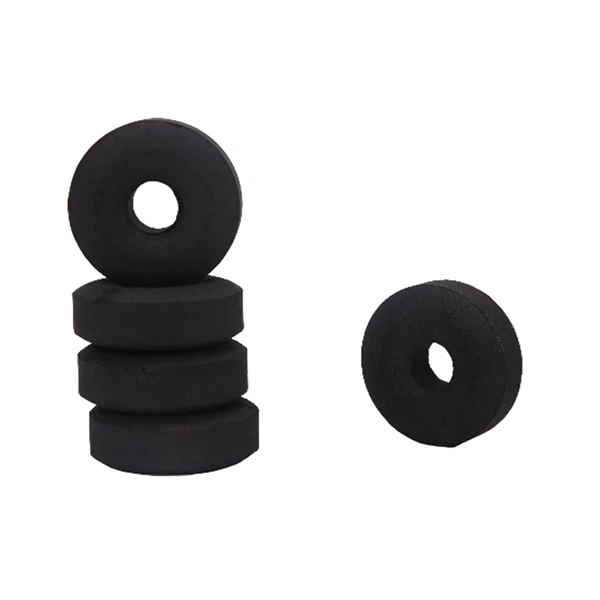

The quality of the charcoal itself plays a vital role in scent release. High - quality charcoal is made from pure and natural materials, usually wood or bamboo. These materials are carbonized under specific conditions to form charcoal with a porous structure. The porosity of the charcoal is important because it allows for better air circulation during burning, which in turn helps the incense to burn evenly and release its scent more effectively.
Selecting the Right Type of Charcoal
The first step in enhancing the scent - releasing effect is to choose the appropriate type of charcoal. Different types of incense may require different types of charcoal. For example, some delicate and light - scented incenses work better with a mild - burning charcoal, while stronger and more complex scents can handle a more intense heat source.
When selecting charcoal, consider the following factors:
- Purity: Opt for charcoal that is free from additives and chemicals. These impurities can interfere with the scent of the incense and may even produce unpleasant odors during burning.
- Porosity: As mentioned earlier, a highly porous charcoal provides better air flow. You can test the porosity by looking at the surface of the charcoal. A porous charcoal will have a rough and uneven surface.
- Burning Time: The burning time of the charcoal should match the amount of incense you are using. If the charcoal burns out too quickly, the incense may not have enough time to fully release its scent. On the other hand, if it burns too slowly, it may lead to an over - concentrated and overwhelming scent.
Preparing the Charcoal
Proper preparation of the charcoal is essential for optimal scent release. Here are some steps to follow:
- Lighting the Charcoal: Use a reliable method to light the charcoal. A common way is to use a charcoal burner or a special lighter designed for charcoal. Make sure to light the charcoal evenly on all sides to ensure a consistent burn.
- Letting it Burn: After lighting, let the charcoal burn for a few minutes until it turns red - hot and starts to produce a steady heat. During this time, some initial smoke may be produced. Wait until this initial smoke dissipates before placing the incense on the charcoal. This helps to avoid any unwanted smoky smell mixing with the scent of the incense.
- Cooling and Placement: Once the initial burning phase is over, you can let the charcoal cool slightly. This step is important because if the charcoal is too hot, it may burn the incense too quickly, resulting in a short - lived and less - intense scent. Place the charcoal in a suitable incense burner, making sure it is stable and secure.
Enhancing the Scent through Incense Placement
The way you place the incense on the charcoal can significantly affect the scent - releasing effect.
- Direct vs. Indirect Placement: There are two main methods of placing incense on charcoal: direct and indirect. Direct placement involves placing the incense directly on the hot charcoal. This method is suitable for hard - pressed incenses, such as incense cones and sticks. The heat from the charcoal quickly melts and burns the incense, releasing its scent.
Indirect placement, on the other hand, uses a heat - resistant plate or a layer of ash between the incense and the charcoal. This method is often used for loose - leaf incenses and resin incenses. The heat is transferred more gradually to the incense, allowing it to smolder and release its scent in a more controlled manner. - Quantity of Incense: Be careful not to overload the charcoal with too much incense. If there is too much incense on the charcoal, it may not burn evenly, and the scent may become overpowering or muddled. Start with a small amount of incense and adjust according to your preference.
Controlling the Environment
The environment in which the incense is burned also plays a role in the scent - releasing effect.
- Air Circulation: Good air circulation is essential for the scent to spread. However, avoid placing the incense burner in a drafty area, as this can cause the charcoal to burn unevenly and may blow the scent away too quickly. A gentle breeze in the room can help to disperse the scent, but make sure it is not too strong.
- Humidity: High humidity can affect the burning of the charcoal and the release of the scent. In a humid environment, the charcoal may take longer to light and may not burn as efficiently. If the humidity is high, you can try using a dehumidifier in the room or storing the charcoal in a dry place.
Combining Different Incenses
Another way to enhance the scent - releasing experience is to combine different types of incenses. This can create a more complex and unique scent profile. When combining incenses, it's important to choose scents that complement each other. For example, floral scents can be combined with woody scents for a harmonious and balanced aroma.
However, be cautious when combining incenses, as some scents may clash and create an unpleasant smell. Start with small amounts of each incense and gradually adjust the ratio until you find a combination that you like.
Storing the Charcoal Properly
Proper storage of the charcoal is important to maintain its quality and scent - releasing ability.
- Dry Environment: Store the charcoal in a dry place, away from moisture. Moisture can cause the charcoal to absorb water, which can affect its burning properties and reduce its ability to release the scent of the incense.
- Airtight Container: Keep the charcoal in an airtight container to prevent it from absorbing any odors from the surrounding environment. This helps to preserve the purity of the charcoal and ensures that it does not introduce any unwanted smells to the incense.
Conclusion
Enhancing the scent - releasing effect of charcoal for incense is a combination of science and art. By selecting the right type of charcoal, preparing it properly, placing the incense correctly, controlling the environment, and storing the charcoal well, you can create a more enjoyable and immersive incense - burning experience.
As a supplier of Charcoal For Incense, I am committed to providing high - quality charcoal products that meet the needs of incense enthusiasts. If you are interested in purchasing our charcoal or have any questions about enhancing the scent - releasing effect, please feel free to contact us for procurement and further discussions.
References
- "The Art and Science of Incense Burning" by John Doe
- "Incense: History, Culture, and Usage" by Jane Smith