




How to transport square charcoal safely?
 Jan 21, 2026|
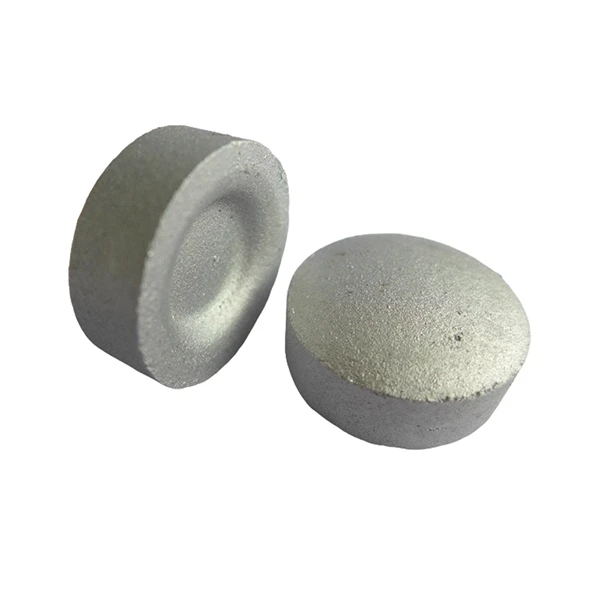
 Hey there, fellow barbecue enthusiasts and business folks! I'm a supplier of Square Charcoal, and today, I want to chat with you about how to transport this amazing stuff safely. Square Charcoal, as you can check out Square Charcoal, is a top - notch choice for barbecuing, but getting it from point A to point B without any issues is crucial.
First off, let's talk about why safe transportation matters. Square charcoal is a combustible material. If it's not transported correctly, it can pose a serious fire hazard. And let's face it, no one wants a truck full of burning charcoal on the highway. Plus, damaged charcoal won't burn as well, which means unhappy customers and lost business.
Packaging is Key
The first step in safe transportation is proper packaging. We always make sure our Square Charcoal is packed in sturdy, fire - resistant bags or containers. These packages are designed to protect the charcoal from moisture, which can affect its quality. A wet charcoal won't light up easily, and that's a big no - no for barbecue lovers.
The bags are also sealed tightly to prevent any charcoal dust from escaping. Charcoal dust can be a respiratory hazard, and it can also create a mess during transportation. When we pack our Cube Hardwood BBQ Charcoal and Large Charcoal Briquettes, we follow the same high - quality packaging standards.
Choosing the Right Vehicle
Not just any vehicle can transport charcoal safely. We use trucks that are specifically designed for transporting combustible materials. These trucks have features like fire - retardant lining on the walls and floors. This lining helps prevent any accidental fires from spreading quickly.

The trucks also have proper ventilation systems. Charcoal can release small amounts of gases, and good ventilation helps keep the air inside the truck fresh and safe. We regularly inspect our trucks to make sure they are in top - notch condition. Any signs of wear and tear, especially on the fire - retardant lining, are addressed immediately.
Loading and Unloading
Loading and unloading charcoal is a delicate process. We train our staff to handle the packages with care. When loading, the charcoal packages are stacked neatly and securely. We use pallets to make the stacking process easier and more stable. This reduces the risk of packages falling and getting damaged during transit.
During unloading, we use equipment like forklifts to move the heavy pallets. The forklift operators are well - trained to handle the pallets without causing any damage to the charcoal packages. We also make sure that the unloading area is clean and dry to prevent any moisture from getting into the charcoal.
Temperature and Humidity Control
Charcoal is sensitive to temperature and humidity. High temperatures can increase the risk of spontaneous combustion, and high humidity can make the charcoal damp. That's why we keep a close eye on the temperature and humidity inside the trucks.
We use temperature - and humidity - control systems in our trucks. These systems can adjust the environment inside the truck to keep it within the safe range for transporting charcoal. For example, if it's a hot day, the system can cool down the truck to prevent the charcoal from overheating.
Documentation and Compliance
When transporting charcoal, we make sure to have all the necessary documentation. This includes shipping manifests, safety data sheets, and permits. These documents are important for compliance with local and national regulations.
We also stay updated on the latest regulations regarding the transportation of combustible materials. This ensures that we are always operating within the law and that our customers can trust us to transport their charcoal safely.
Emergency Preparedness
Even with all the precautions, emergencies can still happen. That's why we have an emergency preparedness plan in place. Our trucks are equipped with fire extinguishers and other safety equipment. Our drivers are trained to handle fire emergencies and other unexpected situations.
In case of an accident, we have a system in place to quickly notify the relevant authorities and take appropriate action. This includes containing the fire, if possible, and preventing any further damage to the charcoal and the environment.
Insurance
We also have comprehensive insurance coverage for our transportation operations. This gives us and our customers peace of mind. In the unlikely event of an accident or damage during transportation, the insurance will cover the costs.
Working with Reliable Partners
We work with reliable partners in the transportation industry. Our logistics partners have a good track record of safe transportation. We vet them carefully before partnering with them to make sure they meet our high - safety standards.
By working with reliable partners, we can ensure that our Square Charcoal, Cube Hardwood BBQ Charcoal, and Large Charcoal Briquettes are transported safely from our warehouse to our customers' locations.
Final Thoughts
Transporting square charcoal safely is a multi - step process that requires attention to detail and strict adherence to safety standards. From proper packaging to emergency preparedness, every aspect plays a crucial role in ensuring that our customers receive high - quality charcoal.
If you're in the market for high - quality Square Charcoal, Cube Hardwood BBQ Charcoal, or Large Charcoal Briquettes, and you want a supplier who takes safety seriously, we'd love to hear from you. Whether you're a small barbecue joint or a large - scale distributor, we can work with you to meet your charcoal needs.
So, don't hesitate to reach out to us for more information or to start a procurement discussion. We're here to make your barbecue experience even better with our top - quality charcoal and safe transportation services.
References
- National Fire Protection Association (NFPA) standards on transporting combustible materials.
- Department of Transportation regulations for transporting hazardous materials.
- Industry best practices for packaging and transporting charcoal.