




Is ashless charcoal suitable for slow - cooking?
 Sep 04, 2025|
 Hey there! I'm an ashless charcoal supplier, and I often get asked if ashless charcoal is suitable for slow - cooking. Well, let's dive right in and explore this topic.
First off, what exactly is ashless charcoal? Ashless charcoal is a type of charcoal that produces very little to no ash when burned. It's made from high - quality materials, like coconut shells. Check out Coconut Shell Charcoal to learn more about this awesome source material. This kind of charcoal is processed in a way that removes impurities, which means it burns cleaner and more efficiently.
Now, when it comes to slow - cooking, there are a few key factors to consider. Slow - cooking is all about low and slow heat. You want to maintain a consistent temperature over a long period of time to tenderize tough cuts of meat, infuse flavors into your dishes, and create that mouth - watering, melt - in - your - mouth texture.
One of the major advantages of using ashless charcoal for slow - cooking is its ability to provide a stable heat source. Unlike some other types of fuel, ashless charcoal burns steadily. It doesn't flare up suddenly or go out easily. This steady burn is crucial for slow - cooking because you don't want your food to be undercooked in some parts and overcooked in others. With ashless charcoal, you can set your temperature and pretty much forget about it, allowing you to focus on other things while your delicious meal is slowly cooking away.
Another great thing about ashless charcoal is that it doesn't leave behind a bunch of ash. When you're slow - cooking, especially in an enclosed space like a smoker or a barbecue pit, ash can be a real hassle. It can get into your food, making it gritty and unappetizing. Ash can also clog up the vents of your cooking equipment, affecting the airflow and thus the temperature control. Since ashless charcoal produces minimal ash, you can enjoy a cleaner cooking environment and a better - tasting end product.
The flavor that ashless charcoal imparts on your food is also worth mentioning. Because it burns cleanly, it doesn't add any unwanted or harsh flavors to your dishes. Instead, it enhances the natural flavors of the food. For example, when you're slow - cooking a brisket, the clean burn of ashless charcoal allows the spices and seasonings you've used to shine through, giving you a pure and delicious meat flavor.
However, like any cooking fuel, ashless charcoal also has its drawbacks. One of the main concerns is the cost. Ashless charcoal is generally more expensive than regular charcoal. This is because of the high - quality materials used and the more complex manufacturing process. If you're on a tight budget, the cost might be a deterrent. But if you're a serious slow - cooker who values the quality of the end result, the extra cost could be worth it.
Another thing to keep in mind is the availability. Depending on where you live, it might be a bit harder to find ashless charcoal compared to regular charcoal. But as a supplier, I can tell you that the demand for ashless charcoal is growing, and more and more stores are starting to carry it.
When it comes to using ashless charcoal for slow - cooking, there are a few tips I'd like to share. First, make sure you light the charcoal properly. You can use a charcoal chimney starter to get the charcoal burning evenly. Once the charcoal is lit, spread it out in your cooking equipment to ensure an even heat distribution.
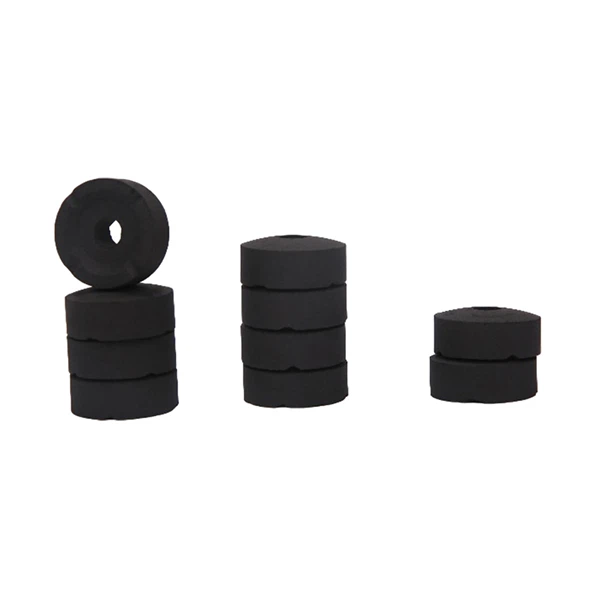

Also, keep an eye on the temperature. Even though ashless charcoal provides a stable heat source, external factors like wind and weather can still affect the temperature. Use a good quality meat thermometer to monitor the internal temperature of your food to make sure it's cooking at the right pace.
Now, let's talk about different types of slow - cooking methods where ashless charcoal can be used. One popular method is smoking. Smoking is all about adding that distinct smoky flavor to your food. Ashless charcoal is perfect for smoking because it burns cleanly, allowing the natural smoke flavor to come through without any off - tastes. Whether you're smoking ribs, chicken, or fish, ashless charcoal can help you achieve that perfect smoky taste.
Another slow - cooking method is barbecuing. In a barbecue, you're often cooking larger cuts of meat over a longer period of time. Ashless charcoal's stable heat and low - ash production make it an ideal choice. You can cook a juicy steak or a tender pork shoulder without having to worry about ash getting in the way or the heat fluctuating too much.
Ashless charcoal is also used in Charcoal Incense Making. While this isn't directly related to slow - cooking, it shows the versatility of ashless charcoal. It's a high - quality product that has many uses beyond just cooking.
If you're into Coal for Incense, you'll appreciate the clean - burning properties of ashless charcoal. The same properties that make it great for incense also make it a top choice for slow - cooking.
In conclusion, ashless charcoal is definitely suitable for slow - cooking. It offers a stable heat source, a clean cooking environment, and enhances the flavor of your food. While it might be a bit more expensive and less readily available, the benefits it provides are well worth considering.
If you're interested in purchasing ashless charcoal for your slow - cooking adventures, I'd love to talk to you. Reach out to me, and we can discuss your needs and how I can supply you with the best ashless charcoal on the market. Whether you're a home cook looking to up your slow - cooking game or a professional chef in a restaurant, I've got the charcoal you need.
References:
- General knowledge on charcoal and cooking methods
- Industry knowledge as an ashless charcoal supplier