




Is there a difference in burning time between hard and soft charcoal for incense?
 May 20, 2025|
 Hey there! As a supplier of Charcoal For Incense, I've been getting a lot of questions lately about the difference in burning time between hard and soft charcoal for incense. It's a topic that's not only interesting but also crucial for those who are into incense burning, whether it's for religious ceremonies, meditation, or just creating a relaxing atmosphere at home. So, let's dive right in and explore this topic together.
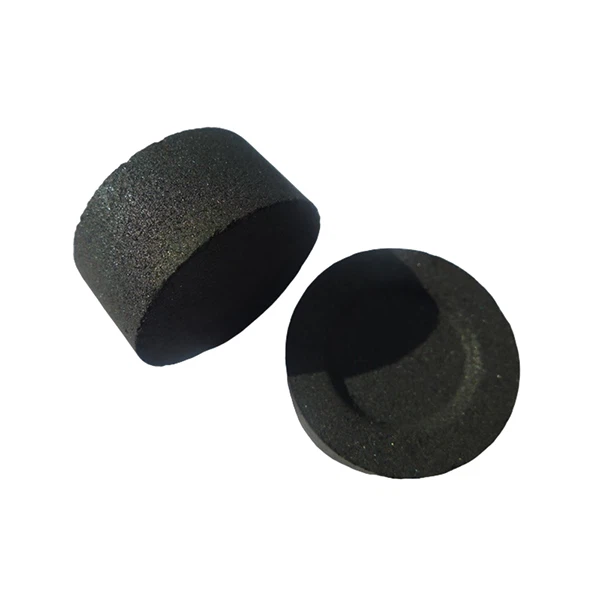
First off, let's understand what hard and soft charcoal are. Hard charcoal, like Coconut Shell Charcoal, is usually made from dense materials. Coconut shells are a great example. When these materials are carbonized, they form a charcoal that's very compact and has a high carbon content. On the other hand, soft charcoal, such as some types of Coal for Incense, is made from less dense materials. These materials don't form as tight a structure as hard charcoal, and they often have a lower carbon content.

Now, onto the burning time. In general, hard charcoal tends to burn longer than soft charcoal. The reason behind this is pretty simple. The high carbon content in hard charcoal means there's more fuel available for combustion. When you light a piece of hard charcoal, the carbon atoms in it react with oxygen in the air, releasing heat and light. Since there's a greater amount of carbon in hard charcoal, this reaction can go on for a longer period.
Let me give you an example. I once had a customer who was using both hard and soft charcoal for their daily meditation sessions. They noticed that the hard charcoal, specifically the coconut shell charcoal, would burn for about 45 minutes to an hour. In contrast, the soft charcoal they were using would burn out in around 20 to 30 minutes. This difference in burning time can be quite significant, especially if you're planning a long meditation session or a religious ceremony that requires continuous incense burning.

But it's not just about the burning time. There are other factors to consider as well. For instance, hard charcoal often burns at a higher temperature. This can be an advantage if you want to quickly vaporize the essential oils in your incense. The high heat helps release the fragrance more efficiently, filling the room with a stronger and more immediate scent. However, this also means that hard charcoal can be a bit more intense and might not be suitable for those who prefer a milder aroma.

Soft charcoal, on the other hand, burns at a lower temperature. This slower, gentler burn can be great for those who want a more subtle and long - lasting fragrance. It's also less likely to cause the incense to burn too quickly or unevenly. But because of its lower heat output, it might take a bit longer for the incense to start releasing its full fragrance.
Another aspect to think about is the ash production. Hard charcoal usually produces less ash compared to soft charcoal. This is because of its more compact structure. The ash from hard charcoal is also finer and less likely to create a mess. Soft charcoal, with its looser structure, tends to break down more easily during the burning process, resulting in more ash. This can be a bit of a hassle to clean up, especially if you're using a delicate incense burner.
Now, let's talk about how these differences in burning time and other characteristics can impact your choice of charcoal for incense. If you're someone who has a busy schedule and wants an incense that can burn for a long time without constant attention, hard charcoal is probably the way to go. It's reliable and will keep your incense burning for a significant period.
On the flip side, if you have more time to sit back and enjoy the slow - building fragrance of your incense, and you don't mind a bit of extra cleaning, soft charcoal could be a great option. It offers a different kind of incense - burning experience, one that's more relaxed and mellow.
As a supplier of Incense Burning Charcoal, I've seen firsthand how different customers have different preferences. Some are all about the long - burning hard charcoal, while others swear by the gentle burn of soft charcoal. That's why we offer a wide range of both hard and soft charcoal options to meet the diverse needs of our customers.
If you're still not sure which type of charcoal is right for you, I recommend doing a little experiment. Get a small sample of both hard and soft charcoal and try them out with your favorite incense. See how they burn, how they release the fragrance, and how much ash they produce. This hands - on approach will give you a better idea of which one suits your needs and preferences.
In conclusion, there is definitely a difference in burning time between hard and soft charcoal for incense. Hard charcoal generally burns longer, at a higher temperature, and produces less ash. Soft charcoal burns for a shorter time, at a lower temperature, and produces more ash. The choice between the two depends on your personal preferences, the type of incense you're using, and the purpose of your incense burning.
If you're interested in purchasing high - quality charcoal for incense, whether it's hard or soft, we'd love to have a chat with you. We can provide you with more information about our products, answer any questions you might have, and help you find the perfect charcoal for your needs. Just reach out to us, and let's start a conversation about enhancing your incense - burning experience.
References
- "The Chemistry of Charcoal Combustion" - Journal of Applied Chemistry
- "A Comparative Study of Hard and Soft Charcoal for Incense Burning" - International Journal of Aromatherapy