




What are the differences between American and European hookah charcoal?
 Aug 08, 2025|
 As a hookah charcoal supplier, I've had the privilege of delving deep into the nuances of different types of hookah charcoal, especially the disparities between American and European varieties. In this blog, I'll share my insights on the key differences, which can significantly impact the hookah experience for enthusiasts.
1. Raw Materials
The choice of raw materials is a fundamental factor that sets American and European hookah charcoal apart.
In the United States, a wide range of materials are used to produce hookah charcoal. Hardwoods like oak, hickory, and mesquite are popular choices. These woods are known for their high density and long - burning properties. They can withstand high temperatures without crumbling easily, providing a consistent heat source for the hookah. Additionally, some American manufacturers are increasingly turning to fruit woods such as apple wood. Apple wood imparts a mild, sweet flavor to the hookah smoke, enhancing the overall sensory experience. You can explore Apple Wood Charcoal for more information on this type of charcoal.
On the European side, coconut shell charcoal is extremely prevalent. Coconut shells are a renewable resource, and they are abundant in many tropical regions that supply raw materials to European manufacturers. Coconut shell charcoal burns cleanly, producing very little ash and minimal smoke. It also heats up quickly, allowing users to start enjoying their hookah in a shorter time. Another material commonly used in Europe is olive wood. Olive wood charcoal offers a unique flavor profile, with a slightly earthy and aromatic undertone that is distinct from the flavors provided by American hardwoods.
2. Manufacturing Processes
The manufacturing processes employed in the production of American and European hookah charcoal also vary.
American manufacturers often use traditional carbonization methods. The selected woods are cut into small pieces and then placed in large kilns. These kilns are heated to high temperatures in a low - oxygen environment, a process known as pyrolysis. This slow and controlled carbonization process helps to preserve the natural properties of the wood, such as its density and flavor - imparting compounds. Some American companies also add binders and other additives during the manufacturing process to improve the shape and burning characteristics of the charcoal. However, there is a growing trend towards producing additive - free charcoal to meet the demand of health - conscious consumers.
European manufacturers, especially those using coconut shells, have refined the carbonization process to maximize the efficiency and quality of the charcoal. The coconut shells are first cleaned and then carbonized at specific temperatures. The resulting charcoal is then crushed and formed into various shapes, such as cubes or rounds. European production methods often focus on precision and quality control. For example, they may use advanced machinery to ensure uniform size and density of the charcoal pieces, which leads to more consistent burning.
3. Shape and Size
The shape and size of hookah charcoal can vary between American and European products.
American hookah charcoal is commonly available in larger sizes, such as large cubes or briquettes. These larger pieces are designed to provide a longer - lasting heat source. They are suitable for extended hookah sessions, especially in social settings where people gather for hours to enjoy the hookah. The larger size also means that fewer pieces are needed to heat the hookah, which can be convenient for users.
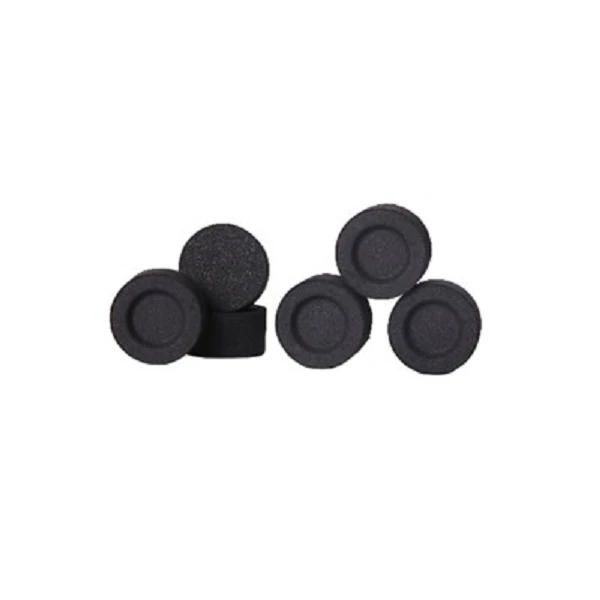
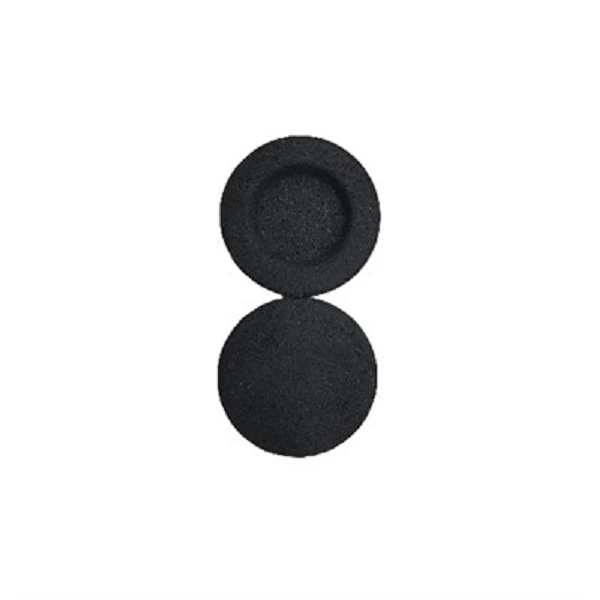
In Europe, smaller and more uniform charcoal pieces are the norm. Cubes and rounds with diameters of around 27mm are very popular. These smaller pieces heat up faster and can be easily arranged on the hookah bowl to distribute heat evenly. They are also more suitable for individual use or shorter hookah sessions. If you're interested in this type of charcoal, check out Shisha Hookah Natural Fruit Charcoal 27mm For Sale.
4. Burning Characteristics
The burning characteristics of American and European hookah charcoal are influenced by their raw materials and manufacturing processes.
American hardwood charcoal generally burns at a slower pace. It can maintain a stable temperature for an extended period, which is ideal for long - term hookah use. However, it may take a bit longer to light compared to some European charcoal. Once lit, it provides a steady and intense heat, which can enhance the flavor extraction from the hookah tobacco.
European coconut shell and olive wood charcoal, on the other hand, ignite quickly. They reach the desired temperature within a few minutes, allowing users to start smoking right away. The burning time of European charcoal is usually shorter than that of American charcoal, but it can be easily replenished during a session. The clean - burning nature of European charcoal also means that there is less residue left in the hookah bowl, which can make the cleaning process easier.
5. Flavor Profile
The flavor profile is a crucial aspect for hookah enthusiasts, and American and European charcoal offer distinct flavors.
As mentioned earlier, American hardwood charcoal, especially fruit woods like apple wood, can add a sweet and natural flavor to the hookah smoke. The smoke may have hints of the specific wood used, such as the subtle apple aroma in the case of apple wood charcoal. Hardwoods like oak and hickory can also contribute a rich, smoky flavor that some users find appealing.
European coconut shell charcoal is known for its neutral flavor. It doesn't overpower the taste of the hookah tobacco, allowing the natural flavors of the tobacco to shine through. Olive wood charcoal, on the other hand, imparts a unique and complex flavor. The earthy and aromatic notes of olive wood can complement certain types of hookah tobacco, creating a more layered and interesting smoking experience.
6. Price and Availability
Price and availability are practical considerations for both consumers and suppliers.
In general, American hookah charcoal can be more expensive, especially those made from high - quality hardwoods. The cost of raw materials, along with the traditional manufacturing processes, can drive up the price. However, it is widely available in the United States and can also be found in many specialty stores around the world.
European hookah charcoal, particularly coconut shell charcoal, is often more affordable. The abundance of coconut shells and the efficient manufacturing processes contribute to the lower cost. It is readily available in Europe and has also gained popularity in other regions due to its clean - burning properties and quick ignition. You can explore a variety of European - style charcoal options at Shisha Charcoal.
Contact for Purchase and Negotiation
If you're a hookah bar owner, a distributor, or simply an individual looking to purchase high - quality hookah charcoal, I'm here to assist you. I understand the importance of finding the right charcoal that suits your needs, whether you prefer the long - burning American hardwood charcoal or the quick - igniting European coconut shell charcoal. We offer a wide range of hookah charcoal products, and I'm more than happy to discuss your requirements, provide samples, and negotiate the best prices for you. So, don't hesitate to reach out and start a conversation about your hookah charcoal needs.
References
- "The Art of Hookah Smoking: A Comprehensive Guide", Hookah Enthusiast Press, 2020
- "Charcoal Production and Its Impact on the Hookah Industry", Journal of Smoking Accessories, Vol. 15, No. 2, 2021
- "Comparative Analysis of American and European Hookah Charcoal", International Journal of Tobacco Alternatives, Vol. 8, No. 3, 2022