




What is the heat output of Apple Tree Charcoal?
 Jan 06, 2026|
 As a supplier of Apple Tree Charcoal, I often encounter inquiries about the heat output of our product. Understanding the heat output is crucial for customers who rely on charcoal for various applications, from cooking to heating. In this blog post, I will delve into the factors that influence the heat output of Apple Tree Charcoal, compare it with other types of charcoal, and discuss its practical implications.
Factors Affecting the Heat Output of Apple Tree Charcoal
The heat output of charcoal is primarily determined by its carbon content, density, and moisture level. Apple Tree Charcoal is known for its high carbon content, which is a key factor in producing a substantial amount of heat. When wood is converted into charcoal through a process called pyrolysis, the organic matter is broken down, and much of the volatile substances are removed, leaving behind a high - carbon residue. The higher the carbon content, the more complete the combustion and the greater the heat release.
Density also plays an important role. Apple Tree Charcoal has a relatively high density compared to some other types of charcoal. A denser charcoal means that there is more carbon per unit volume. When it burns, more carbon is available for oxidation, resulting in a more intense and long - lasting heat source.
Moisture level can significantly impact the heat output. If the charcoal has a high moisture content, some of the heat generated during combustion will be used to evaporate the water. This reduces the overall amount of heat available for cooking or other applications. Our Apple Tree Charcoal is carefully processed to have a low moisture level, typically below 10%. This ensures that most of the energy released during combustion is in the form of useful heat.
Measuring the Heat Output
The heat output of charcoal is commonly measured in British Thermal Units (BTUs) per pound. BTUs are a unit of energy measurement that represents the amount of heat required to raise the temperature of one pound of water by one degree Fahrenheit. Higher BTU values indicate a more powerful heat source.
On average, Apple Tree Charcoal can produce around 12,000 - 14,000 BTUs per pound. This is comparable to some high - quality hardwood charcoals but can vary depending on the specific processing methods and the maturity of the apple trees used.
Comparison with Other Types of Charcoal
When compared to lump charcoal made from other hardwoods such as oak or hickory, Apple Tree Charcoal offers a unique heat profile. While oak and hickory charcoals are known for their high heat output and long - burning properties, Apple Tree Charcoal has a more moderate heat output that is well - suited for slow - cooking and delicate flavors.
Compared to briquettes, which are often made from compressed sawdust and binders, Apple Tree Charcoal burns more cleanly and offers a more natural heat source. Briquettes may contain additives that can affect the taste of food and produce more ash. Our Odorless Charcoal and Ashless Charcoal options take advantage of the natural properties of apple tree charcoal to provide a high - quality, clean - burning experience.
Practical Implications of the Heat Output
In cooking applications, the heat output of Apple Tree Charcoal allows for precise temperature control. For barbecuing, it can maintain a steady medium - low heat, which is ideal for slow - roasting meats, ensuring that they are cooked evenly and retain their moisture. The moderate heat also helps to develop a rich, smoky flavor without charring the food too quickly.
In heating applications, such as in small stoves or fire pits, Apple Tree Charcoal can provide a reliable and long - lasting heat source. Its relatively high heat output and low moisture content mean that it burns efficiently, reducing the need for frequent refueling.
Quality Control and Consistency
As a supplier, we take great care in ensuring the quality and consistency of the heat output of our Apple Tree Charcoal. We source our apple wood from sustainable orchards, and our production process is carefully monitored to maintain the optimal carbon content, density, and moisture level. By adhering to strict quality control measures, we can guarantee that each batch of charcoal meets the high standards expected by our customers.
Applications in Different Industries
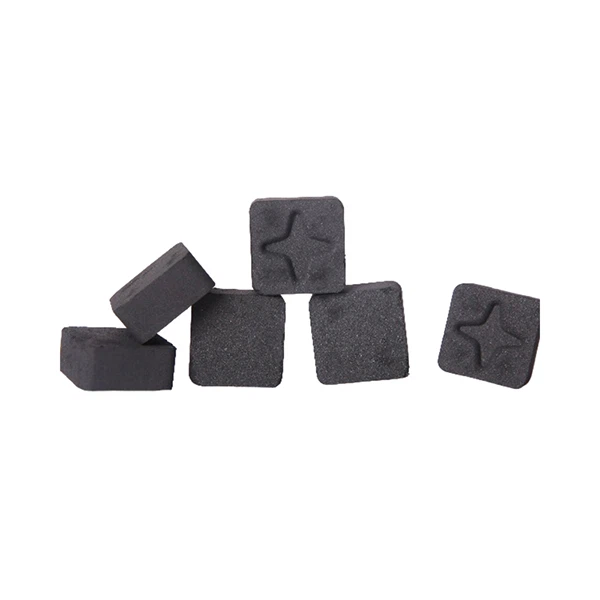
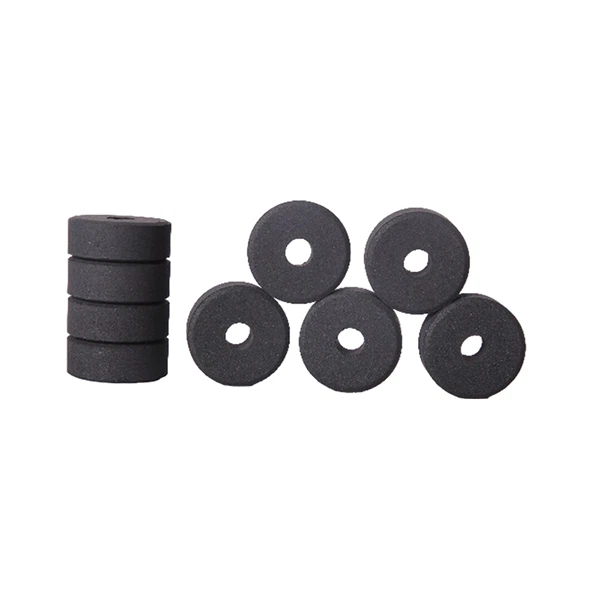
Beyond cooking and heating, Apple Tree Charcoal also has applications in the incense industry. Our Burning Incense Carbon made from apple tree charcoal is popular among incense users. The consistent heat output allows for the even burning of incense, enhancing the aroma - releasing process and providing a more enjoyable olfactory experience.
Why Choose Apple Tree Charcoal
There are several reasons why customers should choose Apple Tree Charcoal. Firstly, the natural origin of the charcoal from apple trees gives it a unique flavor profile that cannot be replicated by synthetic or other types of charcoal. Secondly, the moderate and consistent heat output makes it suitable for a wide range of applications, from home cooking to commercial food production. Thirdly, our commitment to quality and sustainability ensures that customers are getting a reliable and environmentally friendly product.
Contact for Purchase and Collaboration
If you are interested in purchasing Apple Tree Charcoal for your cooking, heating, or incense - making needs, we would be delighted to discuss your requirements. Whether you are a restaurant owner, a home cook, or an incense manufacturer, we can provide you with the right quantity and quality of charcoal. Please feel free to reach out to us to start a conversation about your specific needs and how our Apple Tree Charcoal can meet them.
References
- "The Science of Charcoal Combustion" - Journal of Fuel Science
- "Charcoal Production and Quality Control" - Agricultural Research Institute Publication
- "Applications of Charcoal in Different Industries" - Industrial Materials Review