




What is the minimum amount of BBQ coal needed to start a fire?
 Sep 25, 2025|
 Hey there, fellow BBQ enthusiasts! As a supplier of top - notch BBQ coal, I get asked a ton of questions, but one that pops up more often than not is, "What is the minimum amount of BBQ coal needed to start a fire?" Well, let's dig into this topic and find out.
First off, it's important to understand that the amount of coal you need depends on a few key factors. The size of your grill is a major one. If you've got a small portable grill, like the ones you take on camping trips, you're going to need a lot less coal compared to a big, fancy backyard grill.
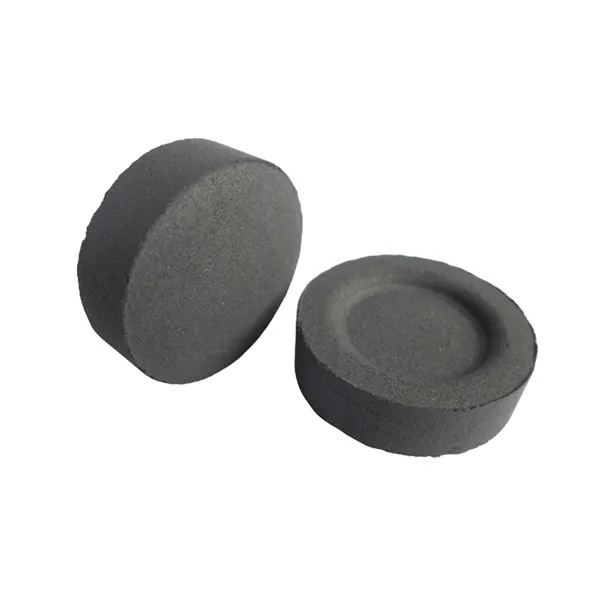
Let's start with the small grills. These are usually around 18 - 22 inches in diameter. For a grill of this size, you can get away with using about 20 - 25 charcoal briquettes. These Charcoal Briquettes On Bbq are great because they burn evenly and give you a consistent heat. You can arrange them in a single layer at the bottom of the grill. This amount should be enough to get a good fire going and start cooking small items like hot dogs or burgers.
Now, if you're using a medium - sized grill, say around 24 - 30 inches in diameter, you'll need a bit more. Aim for 30 - 40 briquettes. This will create a larger heat source, which is perfect for cooking a variety of foods at once. You can spread them out in a single layer or create a two - layer pyramid in the center of the grill. The pyramid method helps the fire build up faster and gives you a more intense heat in the middle.
When it comes to large grills, over 30 inches in diameter, you're looking at 40 - 50 briquettes or more. These big grills are great for hosting parties and cooking for a large group. You'll want to distribute the coal evenly across the bottom of the grill to ensure even cooking. And if you're planning to cook something like a whole chicken or a large steak, you might even want to add a few extra briquettes to get that high - heat sear.
But it's not just about the size of the grill. The type of food you're cooking also matters. If you're cooking something that needs a high, direct heat, like a thick steak, you'll need more coal to get that intense heat. On the other hand, if you're cooking vegetables or fish, which don't require as much heat, you can use a bit less.
Another factor is the ventilation of your grill. A well - ventilated grill allows more oxygen to reach the coal, which helps the fire burn faster and hotter. If your grill has good ventilation, you might be able to get away with using a slightly smaller amount of coal. But if the ventilation is poor, you'll need to use more coal to compensate.
Now, let's talk about different types of BBQ coal. There are charcoal briquettes, lump charcoal, and Sawdust Charcoal Briquettes. Charcoal briquettes are the most common. They're made from compressed charcoal dust and other additives, which makes them burn evenly and last longer. Lump charcoal, on the other hand, is made from natural wood chunks. It burns hotter and faster but doesn't last as long as briquettes. Sawdust charcoal briquettes are a more eco - friendly option. They're made from sawdust and other waste materials, and they burn cleanly.
If you're using lump charcoal, you might need to use a bit more compared to briquettes. This is because lump charcoal burns faster, so you'll need more of it to maintain a consistent fire. Sawdust charcoal briquettes are similar to regular briquettes in terms of the amount you need, but they can sometimes burn a bit cooler, so you might want to add a few extra if you're cooking something that needs high heat.
Starting the fire is also crucial. You can use a charcoal chimney starter to get the coal going quickly and easily. Just fill the chimney with the appropriate amount of coal, add some newspaper or fire starter at the bottom, and light it. In about 10 - 15 minutes, the coal will be ready to pour into the grill.
Once the fire is going, you can adjust the heat by opening or closing the vents on your grill. Opening the vents lets in more oxygen, which makes the fire burn hotter. Closing the vents reduces the oxygen flow and lowers the heat.
If you're new to BBQing, it might take a few tries to get the hang of using the right amount of coal. Don't be afraid to experiment. Start with the recommended amounts I've mentioned and see how it goes. You can always add or remove coal as needed.
As a BBQ coal supplier, I know how important it is to have the right amount of coal for a great BBQ experience. That's why I offer a wide range of high - quality BBQ coal options. Whether you're looking for the Best Charcoal Barbecue coal for your small portable grill or something for your large backyard setup, I've got you covered.
If you're interested in purchasing our BBQ coal, I'd love to have a chat with you. We can discuss your specific needs, whether it's for personal use or for a business. You can reach out to us to start the conversation about how we can provide you with the perfect BBQ coal for your next cookout.

In conclusion, the minimum amount of BBQ coal needed to start a fire varies depending on the size of your grill, the type of food you're cooking, the ventilation of your grill, and the type of coal you're using. By keeping these factors in mind and following the guidelines I've provided, you'll be well on your way to having a successful BBQ every time.
References
- "The Complete Guide to BBQing" by Grill Master John
- "Charcoal and Grill Handbook" published by Grill Experts Inc.