




Can I use coal for incense with essential oils?
 Dec 09, 2025|
 Hey there! As a supplier of coal for incense, I often get asked a bunch of questions about using coal for incense, especially when it comes to combining it with essential oils. So, let's dive right in and explore whether you can use coal for incense with essential oils.
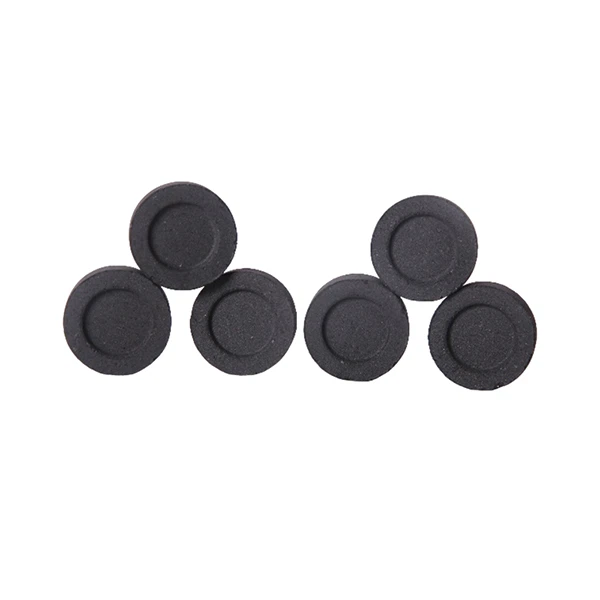
First off, what exactly is coal for incense? Well, it's a special type of charcoal that's designed to burn slowly and evenly, providing a stable heat source for burning incense. There are different kinds out there, like Catholic Incense Charcoal, Charcoal for Burning Incense, and Charcoal Tablets for Incense. These coals are made from high - quality materials and are processed in a way that makes them ideal for use in various incense - burning traditions.
Now, onto the big question: Can you use coal for incense with essential oils? The short answer is yes, you can. But there are some things you need to keep in mind.

The Science Behind It
Coal for incense works by reaching a high enough temperature to vaporize the aromatic compounds in essential oils. When the coal burns, it creates a hot surface. You place a few drops of essential oil on top of the burning coal or on a small piece of heat - resistant material (like a mica disc) placed on the coal. The heat from the coal then causes the essential oil to evaporate, releasing its fragrance into the air.
However, not all essential oils are created equal. Some essential oils have a lower flash point, which means they can catch fire more easily. Oils like citrus oils (lemon, orange, etc.) have relatively low flash points. If you're using these types of oils, you need to be extra careful. You don't want to add too much oil at once, as it could cause a small flare - up.
The Benefits of Using Coal and Essential Oils Together
One of the main benefits is the customization of scents. With essential oils, you can create your own unique blends. Maybe you love the calming scent of lavender but also want a bit of the refreshing aroma of eucalyptus. You can mix the two oils in the right proportions and enjoy a one - of - a - kind fragrance.
Another benefit is the therapeutic aspect. Different essential oils have different therapeutic properties. For example, chamomile essential oil is known for its relaxing and stress - relieving effects. By using coal to vaporize chamomile oil, you can fill your space with a calming atmosphere, which is great after a long, tiring day.
How to Do It Safely
- Choose the Right Coal: Make sure you're using high - quality coal for incense. Inferior quality coal may not burn evenly or could produce harmful by - products. Our coal is carefully sourced and processed to ensure a clean and consistent burn.
- Prepare the Coal: Light the coal according to the instructions. Usually, you use a long - handled lighter or a special incense burner to ignite it. Wait until the coal is fully lit and the flame has gone out. It should be glowing red all over.
- Use a Heat - Resistant Surface: As mentioned earlier, it's a good idea to use a mica disc or a similar heat - resistant material. Place it on top of the burning coal and then add the essential oil to the disc. This helps prevent the oil from coming into direct contact with the coal, reducing the risk of a fire.
- Start Small: When adding essential oil, start with just a few drops. You can always add more if you want a stronger scent. Remember, a little goes a long way with essential oils.
- Ventilation: Make sure the room is well - ventilated. Burning coal and essential oils can release some fumes, and proper ventilation ensures that you're not breathing in too much of them.
Potential Drawbacks
While using coal for incense with essential oils has its perks, there are also some potential drawbacks. One is the risk of fire. As I mentioned earlier, some essential oils can be flammable. If you're not careful, you could end up with a small fire in your incense burner.
Another drawback is the quality of the scent. Sometimes, the heat from the coal can change the chemical composition of the essential oil, altering its scent. This might not be noticeable with all oils, but some more delicate ones could be affected.
Tips for a Great Experience
- Experiment with Blends: Don't be afraid to mix different essential oils to find your favorite scents. You can look up traditional essential oil blends online or come up with your own.
- Clean Your Burner Regularly: After using coal and essential oils, there may be some residue left in your incense burner. Clean it regularly to ensure a clean burn and to prevent any buildup of unwanted odors.
Conclusion
In conclusion, using coal for incense with essential oils is a great way to enjoy customized scents and the therapeutic benefits of essential oils. But it's important to do it safely. By following the tips and guidelines I've shared, you can have a wonderful experience.
If you're interested in purchasing high - quality coal for incense, I'd love to talk to you. Whether you're a small business looking to stock up on incense supplies or an individual who loves the art of incense - burning, we've got the right coal for you. Reach out to start a conversation about your needs and let's work together to bring amazing scents into your life.
References
- "The Complete Book of Essential Oils and Aromatherapy" by Valerie Ann Worwood
- Various studies on the properties of essential oils and their flash points from scientific journals.