




What is the best barbecue charcoal for a charcoal - fired spit - roast?
 Dec 09, 2025|
 Hey there, barbecue enthusiasts! As a long - time barbecue charcoal supplier, I've had my fair share of experiences with all sorts of charcoal. And today, I'm here to talk about what I believe is the best barbecue charcoal for a charcoal - fired spit - roast.
Let's start by understanding what makes a good charcoal for spit - roasting. Spit - roasting is a slow and steady process. You need charcoal that can burn for a long time, maintain a consistent temperature, and give off a nice, smoky flavor.
One of the first things to consider is the type of charcoal. There are basically two main types: lump charcoal and charcoal briquettes.
Lump charcoal is made from natural wood that's been charred. It burns hot and fast, and it gives off a really authentic smoky flavor. It's like having a little piece of the forest in your barbecue. The pieces are irregular in shape, which can be both a pro and a con. On one hand, the uneven shapes allow for better air circulation, which helps the charcoal burn more efficiently. On the other hand, it can be a bit tricky to arrange in the barbecue to get an even heat.
Charcoal briquettes, on the other hand, are made from compressed charcoal dust, sawdust, and other additives. They're more uniform in shape and size, which makes them easier to stack and arrange in the barbecue. They also burn more slowly and steadily, which is great for long - term cooking like spit - roasting.
Now, let's talk about some specific products.
Large Charcoal Briquettes are a fantastic option for spit - roasting. These briquettes are big, which means they burn for a long time. They're made with high - quality materials that ensure a consistent burn. You won't have to worry about the temperature fluctuating too much during your spit - roasting session. The large size also means you don't have to keep adding charcoal as often, which is a huge plus when you're in the middle of a long cook.
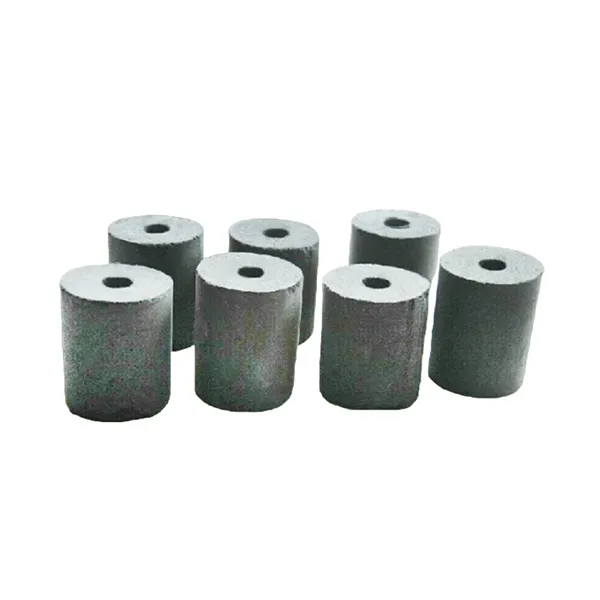
Another great product is Cubic Quick Light Bbq Charcoal. These cubic - shaped charcoal pieces are designed to light quickly. This is really useful if you're in a hurry to get your spit - roast going. Once they're lit, they burn steadily and give off a nice, clean heat. The quick - lighting feature also means you don't have to use a lot of lighter fluid, which can sometimes leave an unpleasant taste on your food.
When it comes to getting the best results, you also need to think about how you're going to use the charcoal. For spit - roasting, it's important to create a two - zone fire. This means having one area of the barbecue with hot coals (the direct heat zone) and another area with just warm coals (the indirect heat zone). You can place your meat on a spit over the indirect heat zone and let it cook slowly. The direct heat zone can be used to sear the meat at the beginning or end of the cooking process to give it a nice, crispy exterior.
Best Charcoal Barbecue is a concept that combines the right charcoal with the right barbecue setup. A good charcoal barbecue for spit - roasting should have a large cooking area, good ventilation, and a sturdy spit mechanism. The ventilation is crucial because it allows you to control the airflow, which in turn affects the temperature of the charcoal. A well - ventilated barbecue will help your charcoal burn more efficiently and give you better control over the cooking process.
Now, let's talk about the smoky flavor. The type of wood used to make the charcoal can have a big impact on the flavor of your spit - roasted meat. For example, charcoal made from hickory wood will give your meat a strong, sweet, and nutty flavor. Mesquite charcoal, on the other hand, gives a more intense, earthy flavor. Applewood charcoal imparts a mild, fruity flavor. Depending on your personal preference, you can choose the type of charcoal that will give your spit - roast the flavor you're looking for.
In addition to the type of wood, the way the charcoal is made can also affect the flavor. Some charcoal manufacturers use special processes to enhance the smoky flavor. For example, they might add natural wood chips or oils during the manufacturing process. This can give your spit - roasted meat an extra depth of flavor that you just can't get with ordinary charcoal.
Another important factor to consider is the ash production. You don't want a charcoal that produces a lot of ash during the cooking process. Too much ash can smother the coals and reduce the heat. It can also make a mess in your barbecue. Look for charcoal that produces minimal ash. This will make your cooking experience much more enjoyable and hassle - free.
When it comes to storage, charcoal should be kept in a dry place. Moisture can make the charcoal difficult to light and can also affect its burning performance. You can store your charcoal in a sealed container or a dry shed. Just make sure it's protected from the elements.
As a barbecue charcoal supplier, I've seen firsthand the difference that the right charcoal can make in a spit - roasting session. Whether you're a professional pitmaster or a backyard barbecue enthusiast, choosing the right charcoal is essential for getting the best results.
If you're interested in learning more about our barbecue charcoal products or if you're looking to place an order for your next spit - roasting event, don't hesitate to get in touch. We're here to help you find the perfect charcoal for your needs. Whether you're cooking for a small family gathering or a large party, we've got the right charcoal to make your spit - roast a success.
In conclusion, there's no one - size - fits - all answer to what the best barbecue charcoal for a charcoal - fired spit - roast is. It depends on your personal preferences, the type of meat you're cooking, and the flavor you're trying to achieve. However, products like Large Charcoal Briquettes, Cubic Quick Light Bbq Charcoal, and the concept of Best Charcoal Barbecue are all great options to consider. So, go ahead, experiment with different types of charcoal, and find the one that works best for you.
References
- "The Barbecue Bible" by Steven Raichlen
- "Charcoal and Wood - Fired Cooking" by Chris Lilly