




How does the heat output of different BBQ coals vary?
 Nov 11, 2025|
 Hey there, fellow barbecue enthusiasts! As a supplier of Bbq Coal, I've spent a ton of time digging into the ins and outs of different types of BBQ coals and how their heat outputs vary. In this blog, I'm gonna share with you what I've learned so you can make the best choice for your next grilling session.
First off, let's talk about why heat output matters. When you're firing up the grill, you need the right amount of heat to cook your food properly. Too little heat, and your steaks will end up undercooked and your burgers will be pink in the middle. Too much heat, and you'll char the outside while the inside remains raw. So, getting the heat output just right is crucial for that perfect barbecue.
One of the most common types of BBQ coal is traditional charcoal. You've probably seen it at your local grocery store or hardware store. Traditional charcoal is made from wood that's been burned in a low - oxygen environment. This process removes most of the water and volatile compounds, leaving behind mostly carbon.
The heat output of traditional charcoal can vary quite a bit depending on the quality of the wood and the manufacturing process. Generally, it burns at a medium - high temperature, around 400 - 500°F (204 - 260°C). It's great for a wide range of grilling tasks, from searing steaks to slow - cooking ribs. However, it can sometimes burn unevenly, and you might find that you need to adjust the coals during the cooking process to maintain a consistent temperature.
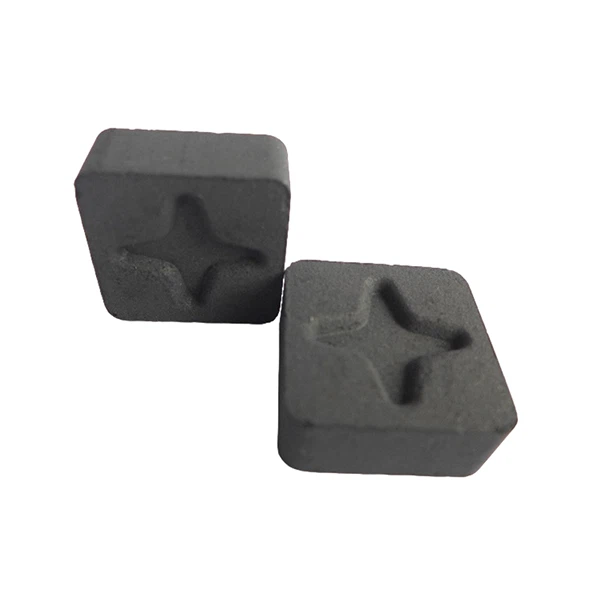
Another popular option is briquettes. These are made by compressing charcoal dust and other additives, like sawdust, starch, and sometimes even chemicals to help them light more easily. Briquettes are known for their consistent heat output. They usually burn at a steady 350 - 450°F (177 - 232°C). This makes them a great choice for beginners or for those who want a hassle - free grilling experience. You can count on them to maintain a stable temperature throughout the cooking process, which is perfect for things like burgers, hot dogs, and chicken.
Now, let's talk about lump charcoal. Lump charcoal is made from chunks of natural wood that have been charred. Unlike briquettes, it doesn't have any additives. Lump charcoal burns hotter and faster than traditional charcoal and briquettes. It can reach temperatures of up to 700°F (371°C) or even higher. This makes it ideal for high - heat cooking, like searing steaks or cooking pizza on the grill. However, it burns out more quickly, so you'll need to add more coals during longer cooking sessions.
If you're looking for an eco - friendly option, Coal for Barbecue made from coconut shells is a great choice. Coconut charcoal is made from the husks and shells of coconuts, which are a renewable resource. It burns at a high temperature, similar to lump charcoal, around 600 - 700°F (316 - 371°C). It also burns cleanly, producing less ash and smoke compared to traditional charcoal. And let me tell you, Hexagon Coconut Charcoal is one of the best on the market. Its unique shape allows for better airflow, which helps it burn more evenly and efficiently.
So, how do you choose the right coal for your needs? Well, it depends on what you're cooking and your personal preferences. If you're a fan of high - heat searing, lump charcoal or coconut charcoal might be the way to go. If you want a consistent, medium - heat source for everyday grilling, briquettes are a great option. And if you're looking for a versatile coal that can handle a variety of tasks, traditional charcoal is a solid choice.
As a Bbq Coal supplier, I've seen firsthand how different coals can affect the grilling experience. That's why I offer a wide range of Bbq Coal options to meet every customer's needs. Whether you're a professional pitmaster or a weekend warrior, I've got the coal that's right for you.
If you're interested in learning more about our products or want to place an order, don't hesitate to reach out. We're always happy to help you find the perfect coal for your next barbecue. Whether you're hosting a big family gathering or just having a quiet cookout with friends, the right coal can make all the difference.
In conclusion, the heat output of different BBQ coals varies significantly, and understanding these differences can help you take your grilling game to the next level. So, the next time you fire up the grill, think about the type of coal you're using and how it will affect your cooking. And remember, if you have any questions or need advice, I'm here to help.
References

- "The Science of Charcoal Grilling." Grilling Magazine.
- "Choosing the Right Charcoal for Your Grill." Barbecue Today.