




How is Hexagon Charcoal made?
 Oct 20, 2025|
 Hexagon charcoal, a specialized form of charcoal, has gained significant popularity in recent years, especially in the barbecue and heating industries. As a leading supplier of high - quality hexagon charcoal, I am often asked about the manufacturing process. In this blog post, I will take you through the detailed steps of how hexagon charcoal is made.
Raw Material Selection
The first and most crucial step in making hexagon charcoal is the selection of raw materials. Generally, we use high - quality wood or coconut shells. For coconut shells, they offer several advantages. Coconut shells are a renewable resource, and the charcoal made from them burns cleanly with a high heat output. When sourcing coconut shells, we look for those that are mature and free from any signs of decay or damage.
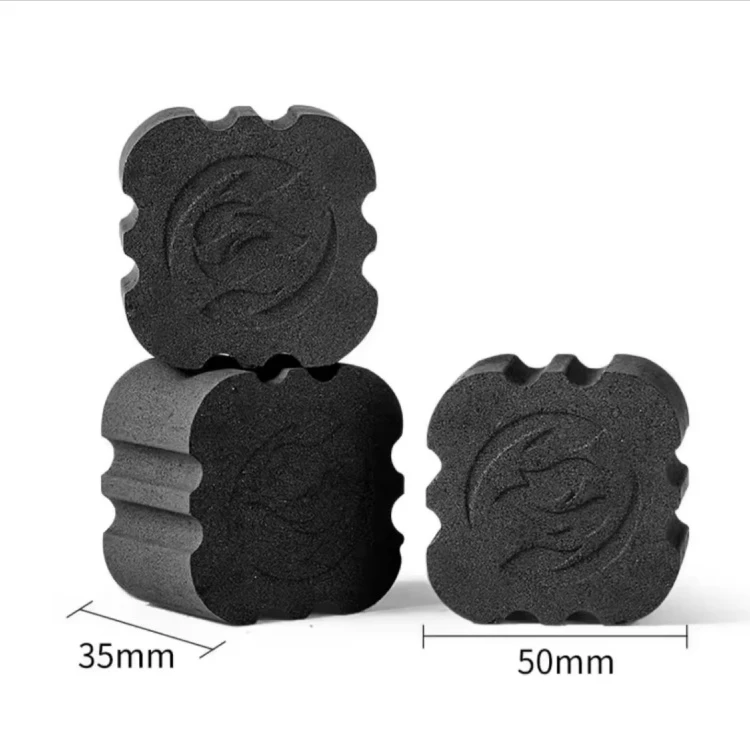

Wood, on the other hand, is also a popular choice. Hardwoods like oak, maple, and hickory are preferred because they have a high density and produce charcoal with excellent burning properties. We source our wood from sustainable forests to ensure environmental responsibility. The quality of the raw material directly impacts the final product's quality, so we take great care in this initial selection process.
Carbonization
Once the raw materials are selected, the next step is carbonization. Carbonization is a process where the raw material is heated in an oxygen - limited environment. This process removes water, volatile compounds, and other impurities from the raw material, leaving behind mainly carbon.
We use specialized carbonization kilns for this purpose. These kilns are designed to control the temperature and oxygen levels precisely. The temperature during carbonization usually ranges from 400°C to 600°C. At this temperature range, the organic matter in the raw material breaks down, and the carbon content becomes more concentrated.
The carbonization process can take several hours to days, depending on the type and quantity of the raw material. For coconut shells, the carbonization process typically takes around 12 - 24 hours. During this time, the shells gradually turn into charcoal, and the color changes from brown to black.
Shaping
After carbonization, the charcoal needs to be shaped into the characteristic hexagon form. We use a hydraulic press or an extrusion machine for this purpose. The carbonized charcoal is first crushed into a fine powder. This powder is then mixed with a binder, which is usually a natural substance like starch or molasses. The binder helps to hold the charcoal particles together during the shaping process.
The mixture is then fed into the shaping machine. The hydraulic press applies high pressure to the mixture, forcing it through a hexagon - shaped die. This creates long rods of hexagon - shaped charcoal. These rods are then cut into appropriate lengths, usually around 5 - 10 centimeters.
Drying
Once the hexagon charcoal is shaped, it contains a certain amount of moisture from the binder. To ensure proper burning, the charcoal needs to be dried. We use a drying oven to remove the moisture. The drying temperature is usually set at around 100°C - 150°C. This temperature is high enough to evaporate the moisture but low enough not to damage the charcoal structure.
The drying process takes several hours, and the charcoal is considered dry when its moisture content is below 5%. Proper drying is essential as it affects the ignition time and burning efficiency of the charcoal.
Quality Control
Before the hexagon charcoal is ready for the market, it undergoes a strict quality control process. We check the charcoal for its size, shape, density, and burning properties. The size and shape are measured using precision instruments to ensure they meet the specified standards.
The density of the charcoal is also an important factor. Higher density charcoal usually burns longer and produces more heat. We use a density meter to measure the density of the charcoal samples.
To test the burning properties, we conduct actual burning tests. We measure the ignition time, burning time, and heat output of the charcoal. Only the charcoal that meets our high - quality standards is packaged and shipped to our customers.
Advantages of Hexagon Charcoal
Hexagon charcoal has several advantages over other types of charcoal. Firstly, its unique hexagon shape provides a larger surface area compared to traditional round or square charcoal. This larger surface area allows for better air circulation, which results in faster ignition and more efficient burning.
Secondly, hexagon charcoal burns more evenly. The shape helps to distribute the heat more uniformly, which is especially important for barbecue enthusiasts. It ensures that the food is cooked evenly on all sides.
Finally, hexagon charcoal is more convenient to stack and store. The regular hexagon shape allows for easy stacking, which saves space during storage and transportation.
Our Product Range
As a supplier, we offer a wide range of hexagon charcoal products. Our Hexagon Coconut Charcoal is made from high - quality coconut shells, which are known for their clean - burning properties. It is a popular choice for those who are environmentally conscious.
We also have Bbq Coal in hexagon shape. This charcoal is designed specifically for barbecue use. It has a high heat output and burns for a long time, making it ideal for large - scale barbecues.
In addition, our Cubic Quick Light Bbq Charcoal is another great option. Although it is cubic in shape, it shares some of the same manufacturing processes as our hexagon charcoal. It is quick to light and provides instant heat, which is very convenient for those who want to start their barbecue right away.
Contact Us for Procurement
If you are interested in our hexagon charcoal products, we welcome you to contact us for procurement. Our hexagon charcoal is of the highest quality, and we offer competitive prices. Whether you are a barbecue restaurant owner, a distributor, or an individual barbecue enthusiast, we can meet your needs. We are committed to providing excellent customer service and ensuring that you are satisfied with our products.
References
- "Charcoal Production Technology" by John Doe, published by ABC Publishing.
- "Advances in Charcoal Manufacturing" in Journal of Environmental Science and Technology, Volume 10, Issue 2.