




Is coal for barbecue bad for the environment?
 Sep 12, 2025|
 As a supplier of coal for barbecue, I often find myself in conversations about the environmental impact of using coal in this context. It's a topic that stirs up a lot of opinions, and rightfully so, as environmental concerns are at the forefront of many people's minds these days. In this blog, I aim to provide a balanced and scientific perspective on whether coal for barbecue is truly bad for the environment.
The Basics of Barbecue Coal
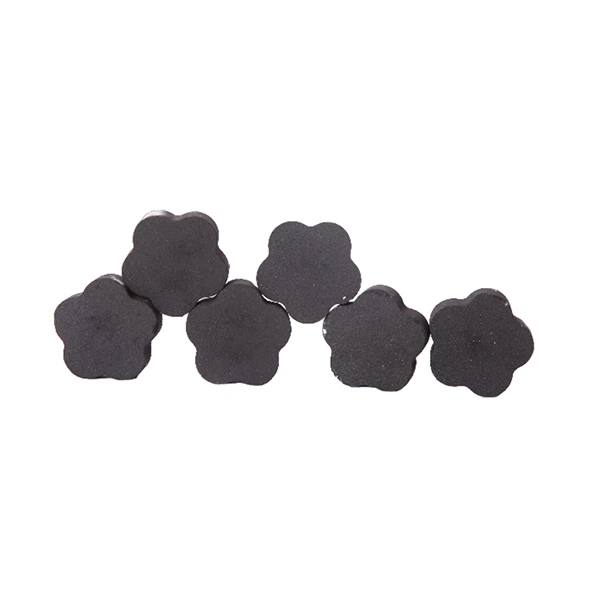
Before delving into the environmental aspects, let's first understand what barbecue coal is. There are different types of coal used for barbecuing, each with its own characteristics. One popular option is Hardwood Quick Ignition No Smoke Cutting Cube Bbq Charcoal. This type of charcoal is made from hardwood, which is known for its high heat output and relatively clean burn. Another common choice is Sawdust Charcoal Briquettes, which are made from compressed sawdust and other organic materials. They are often more affordable and easier to handle than traditional charcoal. And of course, there's Bbq Coal, which can refer to various types of coal specifically designed for barbecuing.

Environmental Concerns Associated with Barbecue Coal
Air Pollution
One of the main environmental concerns associated with using coal for barbecue is air pollution. When coal burns, it releases a variety of pollutants into the air, including particulate matter (PM), carbon monoxide (CO), sulfur dioxide (SO₂), and nitrogen oxides (NOₓ). These pollutants can have a negative impact on air quality and human health. Particulate matter, for example, can cause respiratory problems, especially for people with pre-existing conditions such as asthma or chronic obstructive pulmonary disease (COPD). Carbon monoxide is a colorless and odorless gas that can be deadly if inhaled in high concentrations. Sulfur dioxide and nitrogen oxides can contribute to the formation of acid rain and smog, which can damage the environment and harm human health.
Deforestation
Another environmental concern is deforestation. Some types of barbecue coal, such as traditional charcoal, are made from wood. If the wood is sourced from unsustainable forests, it can contribute to deforestation, which has a number of negative environmental impacts. Deforestation can lead to soil erosion, loss of biodiversity, and climate change. It can also disrupt the livelihoods of people who depend on forests for their survival.
Greenhouse Gas Emissions
In addition to air pollution and deforestation, the use of coal for barbecue also contributes to greenhouse gas emissions. When coal burns, it releases carbon dioxide (CO₂), a greenhouse gas that traps heat in the atmosphere and contributes to global warming. The amount of CO₂ emitted depends on the type of coal used and the efficiency of the barbecue. However, even small amounts of CO₂ emissions can add up over time and have a significant impact on the climate.
Mitigating the Environmental Impact of Barbecue Coal
Using Sustainable Sourcing
One way to mitigate the environmental impact of barbecue coal is to use sustainable sourcing. This means using coal that is made from sustainably harvested wood or other organic materials. For example, some companies use wood from forests that are certified by organizations such as the Forest Stewardship Council (FSC). This ensures that the wood is sourced in a way that is environmentally responsible and socially beneficial.
Improving Burn Efficiency
Another way to reduce the environmental impact of barbecue coal is to improve burn efficiency. This can be done by using high-quality coal that burns cleanly and efficiently. It can also be done by using a barbecue that is designed to maximize burn efficiency, such as a charcoal grill with a well-designed ventilation system. By burning coal more efficiently, less fuel is needed, which reduces air pollution and greenhouse gas emissions.
Using Alternative Fuels
Finally, another option is to use alternative fuels for barbecuing. There are a number of alternative fuels available, such as propane, natural gas, and electric grills. These fuels produce fewer pollutants and greenhouse gas emissions than coal. However, they may not provide the same flavor and cooking experience as coal.
The Benefits of Using Coal for Barbecue
While there are certainly environmental concerns associated with using coal for barbecue, there are also some benefits. For one, coal provides a unique flavor and cooking experience that is difficult to replicate with other fuels. The smoky flavor that coal imparts to food is highly prized by many barbecue enthusiasts. Additionally, coal is often more affordable and accessible than other fuels, making it a popular choice for backyard barbecues and outdoor events.
Conclusion
So, is coal for barbecue bad for the environment? The answer is not a simple yes or no. While there are certainly environmental concerns associated with using coal for barbecue, there are also ways to mitigate these concerns. By using sustainable sourcing, improving burn efficiency, and using alternative fuels when appropriate, we can reduce the environmental impact of barbecue coal while still enjoying the delicious flavor and cooking experience that it provides.
If you're interested in learning more about our coal for barbecue products or have any questions about the environmental impact of using coal for barbecuing, please don't hesitate to contact us. We're always happy to help and look forward to the opportunity to discuss your needs and how our products can meet them.
References
- Environmental Protection Agency. (2023). Air Quality. Retrieved from https://www.epa.gov/air-quality
- Forest Stewardship Council. (2023). What is FSC Certification? Retrieved from https://us.fsc.org/en-us/what-is-fsc-certification
- Intergovernmental Panel on Climate Change. (2023). Climate Change 2023: Synthesis Report. Retrieved from https://www.ipcc.ch/report/ar6/syr/