




What are the ingredients of incense charcoal?
 Oct 08, 2025|
 Incense charcoal has been an integral part of various cultural, religious, and relaxation practices for centuries. As a dedicated incense charcoal supplier, I've delved deep into the world of its ingredients to offer high - quality products to my customers. In this blog, I'll explore the key ingredients that make up incense charcoal and their significance.
The Base Material: Charcoal
At the core of incense charcoal is, of course, charcoal itself. Charcoal is a lightweight black carbon residue produced by strongly heating wood (or other organic substances) in minimal oxygen. This process, known as pyrolysis, removes water and volatile components from the material, leaving behind a porous structure that is rich in carbon.
Hardwoods such as oak, maple, and juniper are commonly used to make the charcoal for incense. These woods are preferred because they burn slowly and evenly, providing a consistent heat source for the incense. Hardwood charcoal also produces less ash and fewer sparks compared to softwood charcoal, which is crucial for a clean and safe burning experience. For example, oak charcoal is known for its long - lasting burn and high heat output, making it ideal for burning heavier incense materials.
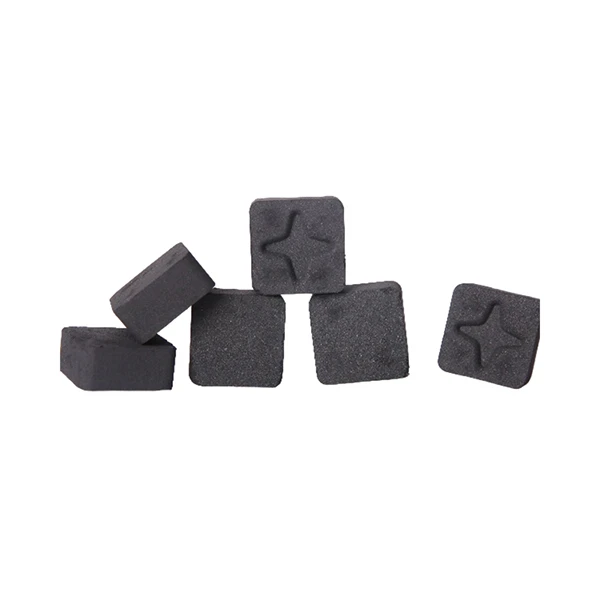

Binders
Binders play a vital role in holding the charcoal mixture together. They ensure that the charcoal maintains its shape during production, transportation, and use. One of the most commonly used binders is starch. Starch is a natural polymer that can be derived from sources such as corn, potato, or tapioca. When mixed with water and heated, starch forms a gel - like substance that binds the charcoal particles.
Another popular binder is natural gums, such as gum arabic. Gum arabic is a water - soluble gum exuded by certain species of acacia trees. It has excellent binding properties and is also edible, making it a safe choice for use in incense charcoal. These binders not only provide structural integrity but also help in the ignition process. They can act as a fuel source to some extent, assisting the charcoal in catching fire more easily.
Incendiary Agents
To make the incense charcoal easier to light, incendiary agents are often added. These agents are substances that have a lower ignition point than charcoal and can help initiate the combustion process. One common incendiary agent is potassium nitrate. Potassium nitrate, also known as saltpeter, is a chemical compound that has been used in pyrotechnics and gunpowder for centuries.
When added to the charcoal mixture, potassium nitrate decomposes upon heating, releasing oxygen. This additional oxygen supply helps the charcoal burn more readily. Other incendiary agents may include sulfur or sugar. Sulfur has a relatively low ignition point and can assist in starting the fire, while sugar can act as a fuel and help in the initial combustion stage. However, the amount of these agents needs to be carefully controlled to ensure that the charcoal burns safely and does not produce excessive smoke or harmful by - products.
Fragrance Additives
Some incense charcoals are infused with fragrance additives to enhance the overall olfactory experience. These additives can be natural essential oils or synthetic fragrances. Natural essential oils are extracted from plants, flowers, and herbs. For example, lavender essential oil can add a calming and relaxing aroma, while sandalwood essential oil is known for its rich, woody scent that is often associated with spiritual and meditative practices.
Synthetic fragrances, on the other hand, are chemically formulated to mimic natural scents or create unique olfactory profiles. They offer a wider range of fragrance options and can be more cost - effective than natural essential oils. However, some consumers prefer natural essential oils due to their perceived purity and therapeutic properties.
Other Additives
In addition to the above ingredients, there may be other additives used in incense charcoal production. For example, some manufacturers may add clay to the mixture. Clay can help improve the texture of the charcoal and also act as a heat - retaining agent. It can slow down the burning process and make the charcoal last longer.
Colorants may also be added for aesthetic purposes. Natural colorants such as turmeric or beetroot juice can be used to give the charcoal a more appealing appearance. However, these colorants need to be carefully selected to ensure that they do not affect the burning properties of the charcoal or release harmful substances when burned.
The Importance of Quality Ingredients
As a supplier of incense charcoal, I understand the importance of using high - quality ingredients. The quality of the ingredients directly impacts the performance and safety of the incense charcoal. Using pure and natural ingredients not only ensures a clean and healthy burning experience but also enhances the overall fragrance and longevity of the product.
For example, if low - quality charcoal is used, it may burn unevenly, produce excessive smoke, or leave behind a large amount of ash. Similarly, using sub - standard binders or incendiary agents can lead to difficulties in ignition or even pose a safety hazard. By sourcing the best ingredients and following strict production standards, I can offer incense charcoal that meets the highest quality requirements.
Different Types of Incense Charcoal and Their Ingredients
There are various types of incense charcoal available in the market, each with its own unique set of ingredients. Round Charcoal Incense is a popular type. The round shape is often achieved through a specific molding process, and the ingredients are carefully selected to ensure that the charcoal burns evenly in a circular form. It typically contains a high - quality hardwood charcoal base, a natural binder like starch, and a small amount of incendiary agent for easy lighting.
Coal for Incense can come in different forms, such as block or cone. Block charcoal is usually denser and burns for a longer time. It may contain a higher proportion of charcoal and a stronger binder to maintain its shape. Cone - shaped charcoal, on the other hand, is designed to fit easily into incense burners. It may have a slightly different formulation to ensure a quick and efficient ignition.
Lighting Incense Charcoal
Lighting incense charcoal properly is crucial for getting the most out of your incense experience. Lighting Incense Charcoal requires some knowledge and technique. First, make sure you have a proper incense burner with good ventilation. Use a long - handled lighter or a match to light the charcoal at the tip. Once the charcoal starts to glow, let it burn for a few minutes until the flame goes out and the entire surface of the charcoal is glowing red.
It's important to note that different types of incense charcoal may have different lighting requirements. Some may need to be lit from the top, while others can be lit from the side. Always follow the manufacturer's instructions for the best results.
Conclusion
In conclusion, the ingredients of incense charcoal are a carefully balanced combination of charcoal, binders, incendiary agents, fragrance additives, and other substances. Each ingredient plays a specific role in ensuring the performance, safety, and fragrance of the incense charcoal. As a supplier, I am committed to providing high - quality incense charcoal that is made from the best ingredients.
If you're interested in purchasing our incense charcoal products for your religious ceremonies, meditation practices, or simply for relaxation, I invite you to contact me for more information and to discuss your specific needs. We can work together to find the perfect incense charcoal solution for you.
References
- Smith, J. (2018). "The Chemistry of Incense Charcoal". Journal of Cultural Chemistry, 22(3), 45 - 56.
- Brown, A. (2019). "Natural Ingredients in Incense Production". Natural Product Research, 15(2), 78 - 89.
- Green, C. (2020). "The Art and Science of Incense Charcoal Making". Cultural Heritage Studies, 30(1), 123 - 135.