




How does the type of wood used in charcoal affect the smoke color?
 Dec 08, 2025|
Hey there, fellow barbecue enthusiasts! As a supplier of top - notch barbecue charcoal, I've spent a ton of time exploring all the ins and outs of charcoal. One question that often pops up is, "How does the type of wood used in charcoal affect the smoke color?" Well, let's dig into this topic and find out!
First off, let's understand the basics. Charcoal is made by heating wood in a low - oxygen environment. This process, called pyrolysis, removes water, volatile compounds, and other impurities, leaving behind mostly carbon. Different types of wood have different chemical compositions, and these differences play a huge role in the smoke color.
Hardwoods like oak, hickory, and maple are super popular for making charcoal. Oak is a classic choice. It burns hot and slow, and the smoke it produces is usually a light to medium gray color. This is because oak has a relatively high density and a balanced chemical makeup. The carbon and other elements in oak break down in a way that creates a consistent, not - too - thick smoke. If you're looking for a charcoal that gives a nice, clean flavor to your meats, oak - based charcoal, like our Charcoal for Bbq Instant Light, is a great option.
Hickory, on the other hand, is known for its strong, smoky flavor. The smoke from hickory charcoal is often a darker gray, bordering on brown. Hickory has a lot of natural oils and resins. When these burn, they release more particulate matter into the smoke, making it denser and darker. If you're a fan of that intense, hickory - smoked taste on your ribs or brisket, our Bbq Coal made from hickory might be right up your alley.
Maple is a bit different. It's a hardwood, but it has a sweeter flavor profile. The smoke from maple charcoal is usually a very light gray, almost white in some cases. Maple has a lower oil content compared to hickory, so the smoke is less dense. It's perfect for those who want a more subtle, sweet smoky flavor on their food, like when grilling chicken or fish.
Softwoods, such as pine and cedar, are generally not recommended for making barbecue charcoal. Pine has a high resin content. When burned, the resin creates a thick, black smoke that can be very unpleasant and even harmful if inhaled in large amounts. The black color comes from the high concentration of unburned carbon particles and other volatile compounds in the resin. Cedar also has a strong, distinct flavor and can produce a dark - colored smoke. The problem with using softwood charcoal is that the strong flavor can easily overpower the taste of the food, and the dark, thick smoke can leave a sooty residue on your grill and your food.
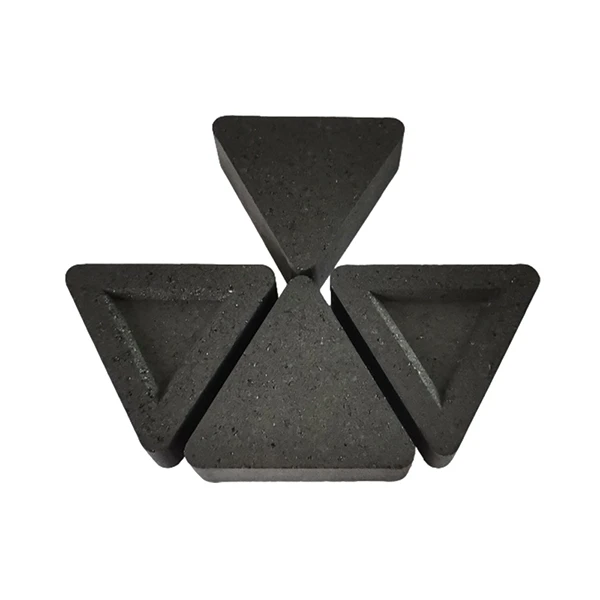
Another factor that affects smoke color is the moisture content of the wood. If the wood used to make charcoal has a high moisture content, it will produce more steam when burned. This steam can mix with the smoke and make it look whiter or lighter in color. That's why it's important to use well - dried wood when making charcoal. At our factory, we take great care to ensure that the wood we use for our Square Charcoal is properly dried to get the best - quality charcoal and consistent smoke color.
The way the charcoal is burned also matters. If the charcoal is burned with a lot of oxygen, the combustion will be more complete, and the smoke will be lighter in color. On the other hand, if there's not enough oxygen, the charcoal will burn incompletely, producing more unburned carbon particles and a darker smoke. So, when you're using our charcoal, make sure to adjust the airflow in your grill to get the smoke color and flavor you want.
Now, you might be wondering why smoke color matters. Well, for one, it can give you an idea of the flavor profile of the smoke. A lighter - colored smoke usually means a more subtle flavor, while a darker smoke can indicate a stronger, more intense flavor. It can also affect the appearance of your food. A light - colored smoke won't leave as much of a sooty residue on your meats, while a dark - colored smoke might give your food a more rustic, charred look.
As a barbecue charcoal supplier, we're always looking for ways to improve the quality of our charcoal. We test different types of wood and production methods to make sure that our customers get the best - tasting and most consistent charcoal. Whether you're a professional pitmaster or just someone who loves to fire up the grill on the weekends, we have the right charcoal for you.
If you're interested in trying out our different types of charcoal, we'd love to hear from you. We can provide samples so you can see for yourself how the type of wood affects the smoke color and the flavor of your food. Whether you're looking for that light, clean smoke of oak, the intense, dark smoke of hickory, or the sweet, light smoke of maple, we've got you covered.
So, if you're in the market for high - quality barbecue charcoal, don't hesitate to reach out. Let's start a conversation about your barbecue needs and how our charcoal can take your grilling to the next level.
References

- "The Science of Barbecue" by Meathead Goldwyn
- Various industry research papers on charcoal production and wood properties